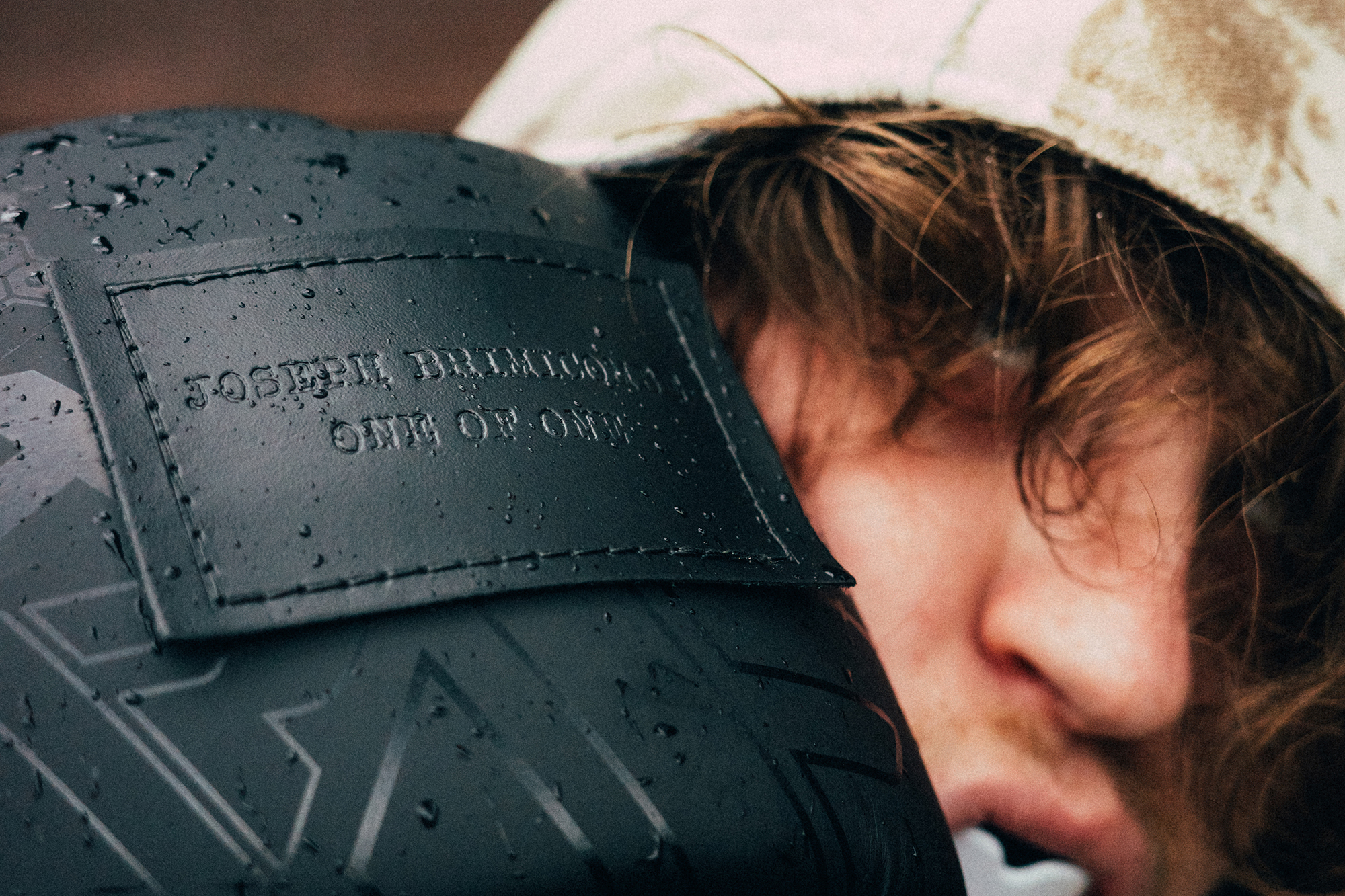
Community Spotlight: @joe.brim
Community Spotlight is a series shining a light on community members with a story to tell. In a world of fast fashion and brands creating smoke and mirrors about production, we talk to Joe about his approach to designing and being sustainable out of necessity.
From creating pieces for some of your favourite celebs to building his ‘One of One’ brand and custom printed jeans projects, Joe is an emerging designer doing things his own way — and staying conscious of not pumping more trash into the market.
TB: Tell us about your journey; when did you realise your future was in Fashion Design?
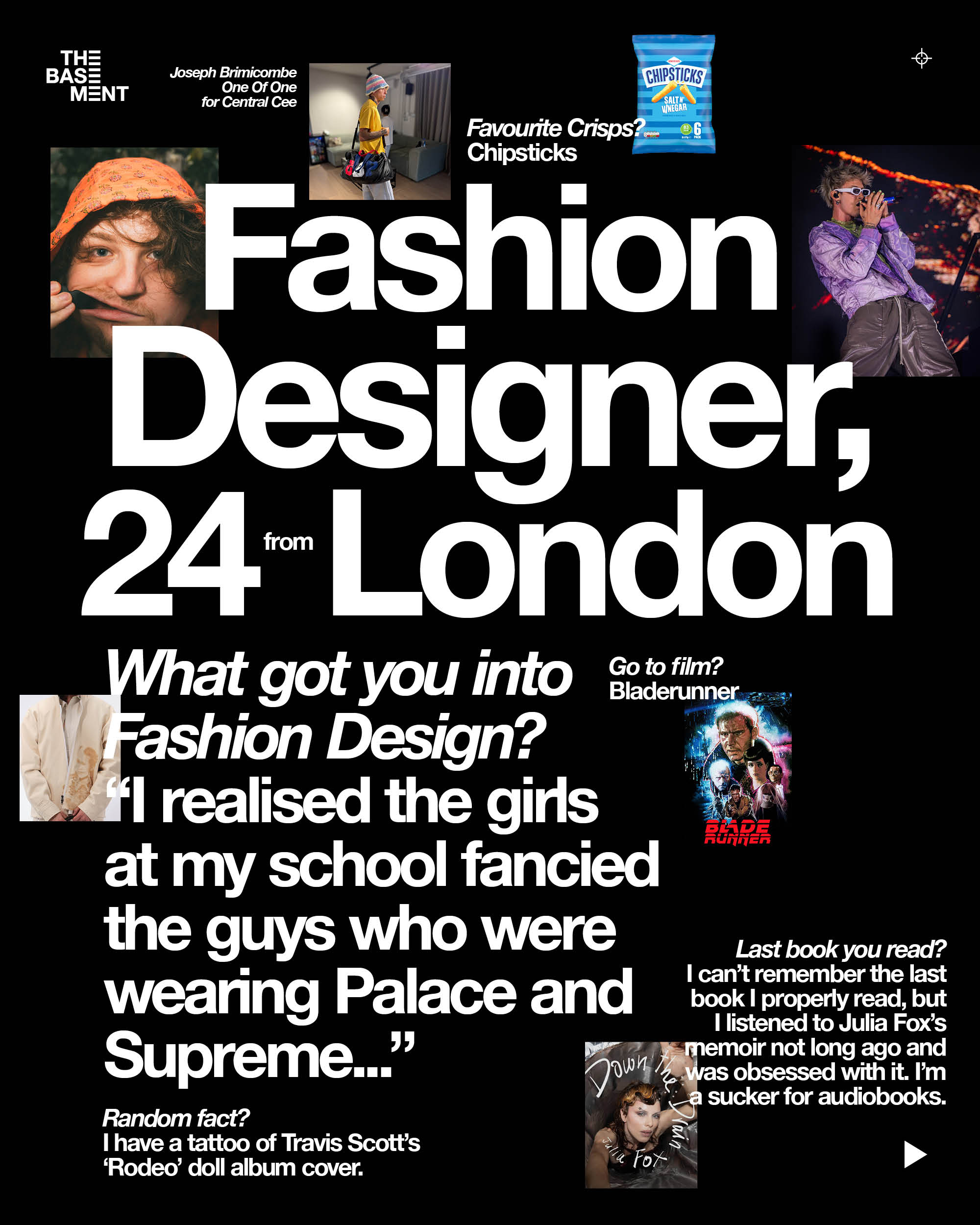
JB: You know what’s really funny? I didn’t want to do fashion for the longest time. I had no interest in clothes for most of my childhood until I got to about 13. I realised the girls at my school fancied the guys who were wearing Palace and Supreme. From that pretty shallow reason I started to explore designers like Samuel Ross and Virgil Abloh. A-COLD-WALL* was really the first brand I was utterly obsessed with. I think I’m part of a generation of designers who didn’t first fall in love with the McQueens or Gallianos of the world.
I went to an absolutely miserable school – the kind of place where they push you away from anything creative and tell you that you’re going to become a NASA scientist or an MP at the age of 12. Constant academic pressure drove me to a mental breakdown whilst I was doing my GCSEs, and as my interest in clothes grew, I went and made the leap from the academic world to a college to do fashion. Almost everyone around me said I was crazy.
Amazingly enough, the people who really convinced me to go for it were Sarah Mower and Virgil Abloh (when I spoke to him at a System Magazine signing in London).
TB: What started your love of using second hand fabrics and materials?
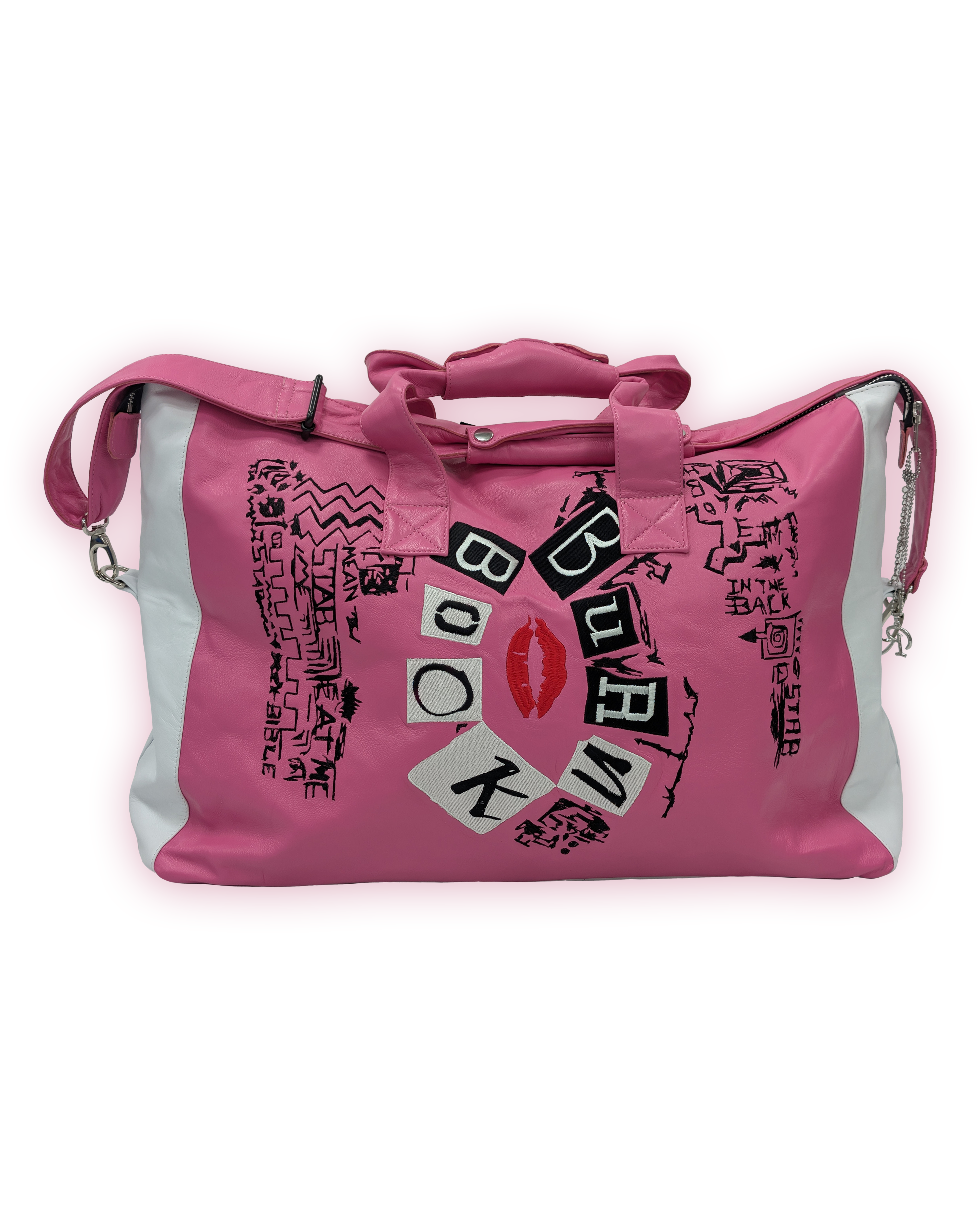
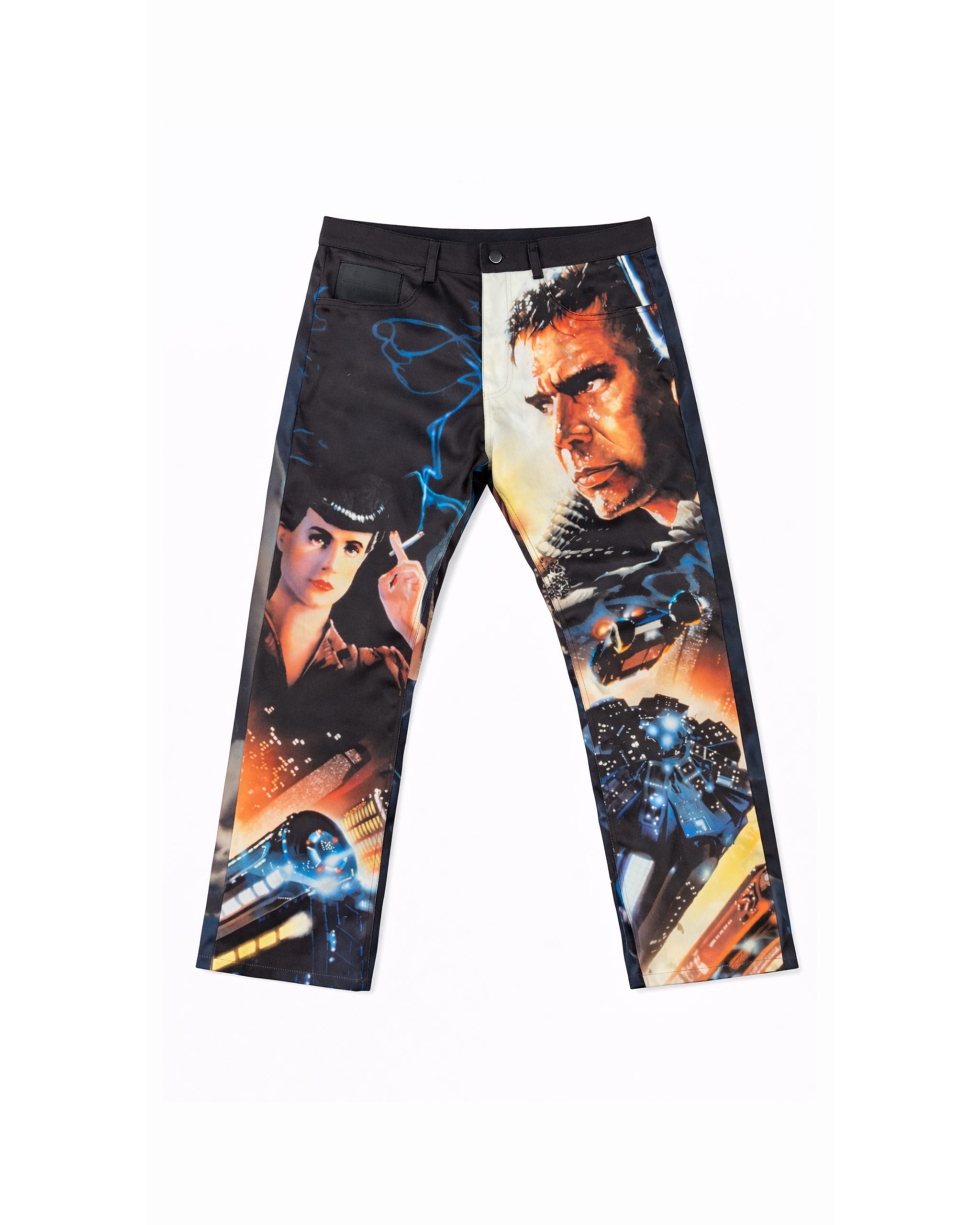
JB: The thing that drove my push into this world was simply necessity; it’s easier to get second hand items and textile scraps than it is to buy new when your funds are so limited, but I quickly built a love for it. Everything that feels like an obstacle is actually an opportunity. What I love so much about Joseph Brimicombe One of One is that everything is made simply out the fact there is such a limit on the materials, and that breeds such innovation in how I have to place and construct them.
TB: What are some of your favourite products that you’ve created?
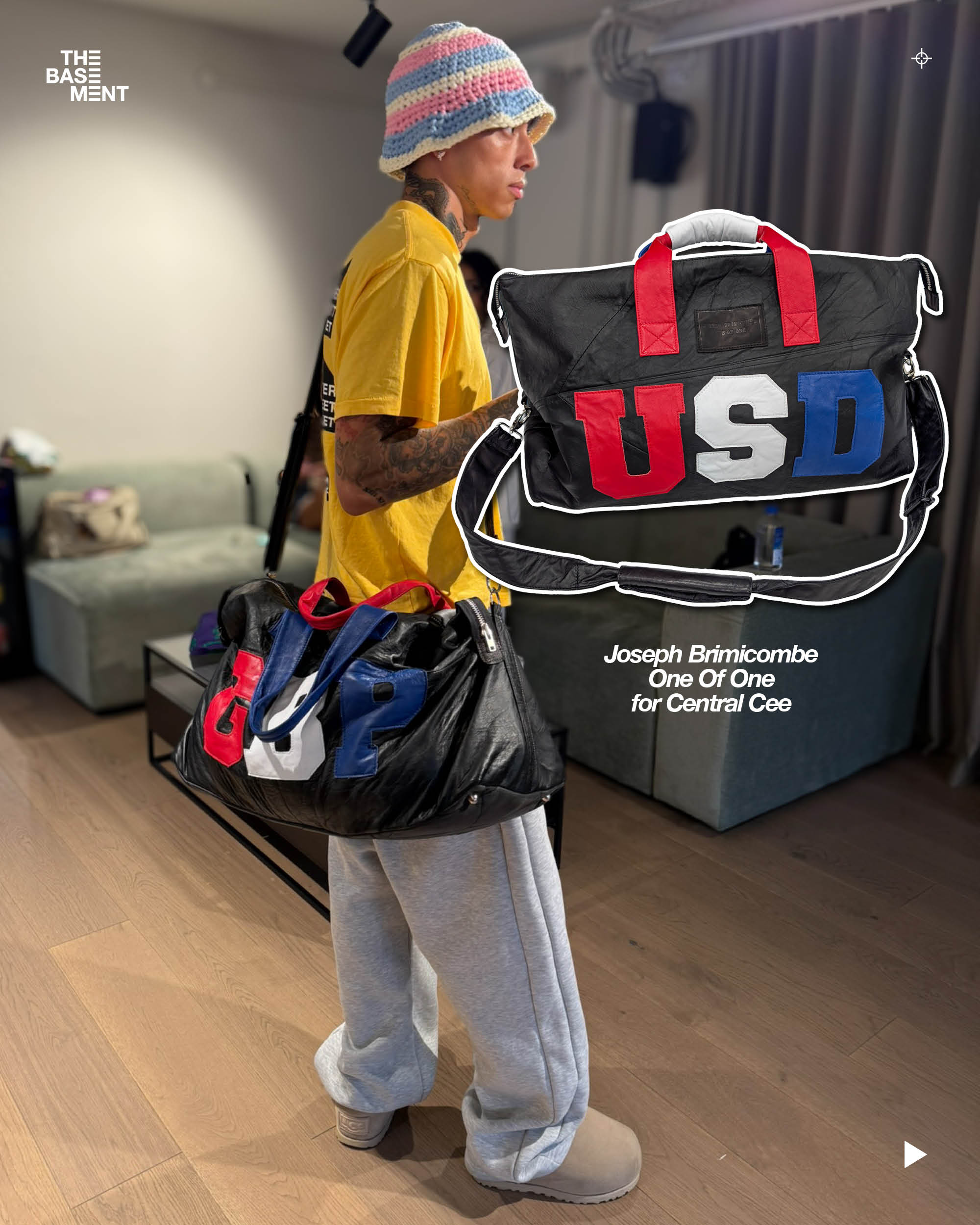
JB: It’s the moments that people make whilst wearing, using and living in my pieces are what makes some of them my favourite. I really love the bags created from upcycled leather jackets that I’ve made for people such as 50 Cent and Central Cee. The Printed Jeans Series started small but has evolved massively to its own line. I love being able to explore graphics on the blank canvas of a pair of jeans and really just let them be loud and obnoxious in contrast to the more subtle leather work I do.
TB: How long does each bag take to make?
JB: I started this with the principle of keeping everything produced in London to utilize the wealth of talent here. Each bag takes around 7-10 days depending on how busy the embroidery house is, and they’re perfect for going on tour or playing an away game. I don’t think they’re as cute or ‘fashiony’ (like other bags made by some incredible designers), but functionality is their key.
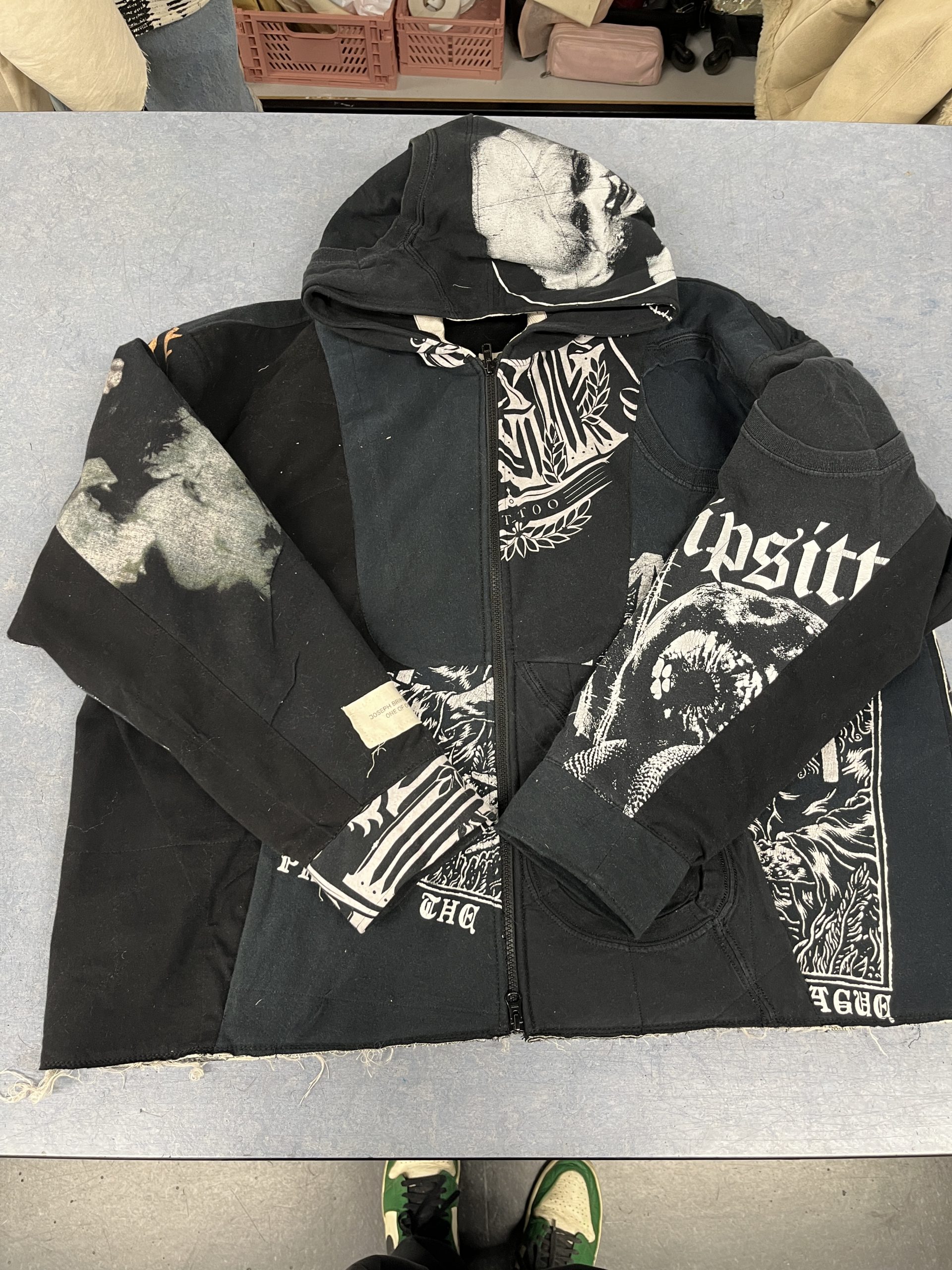
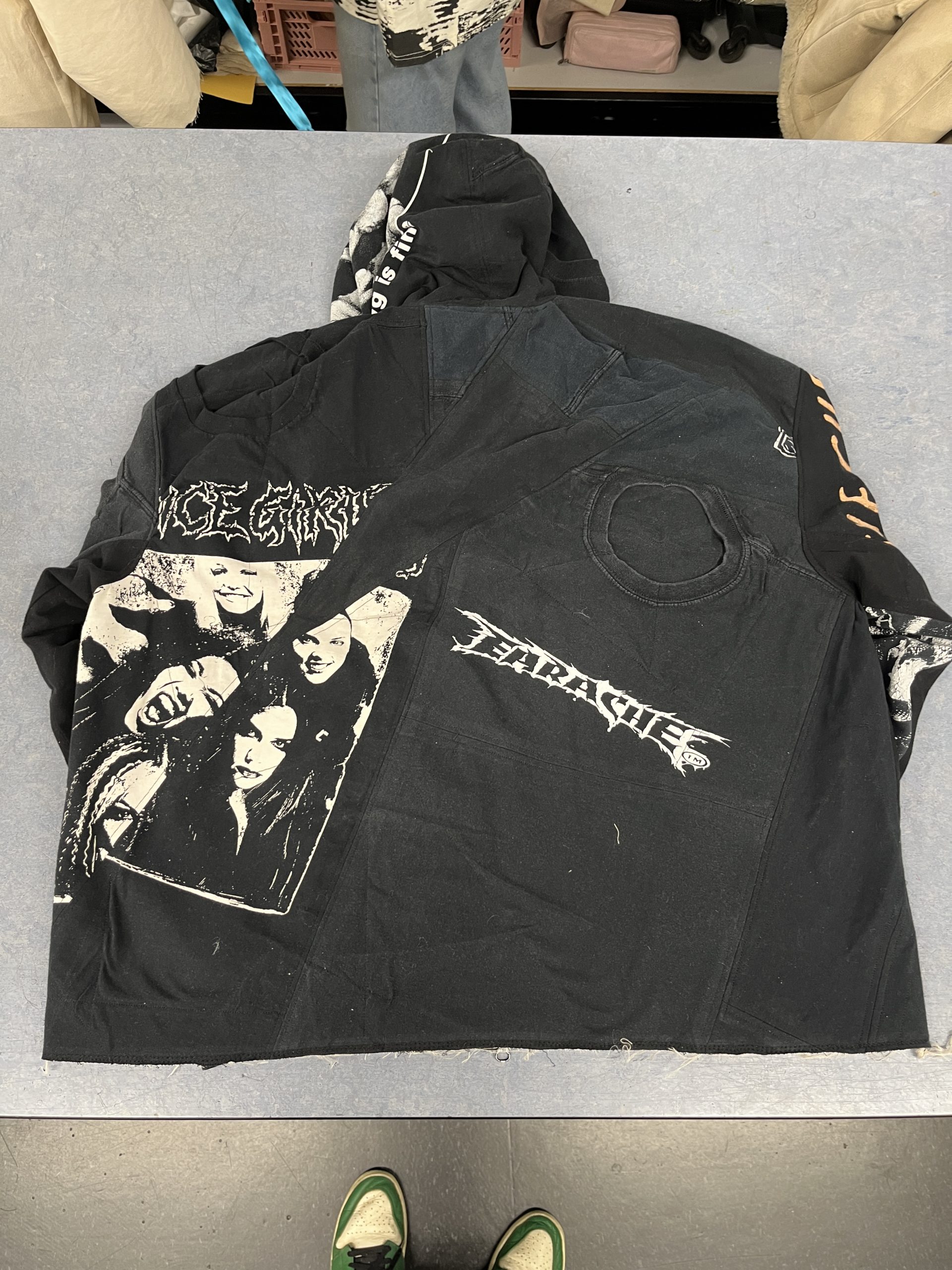
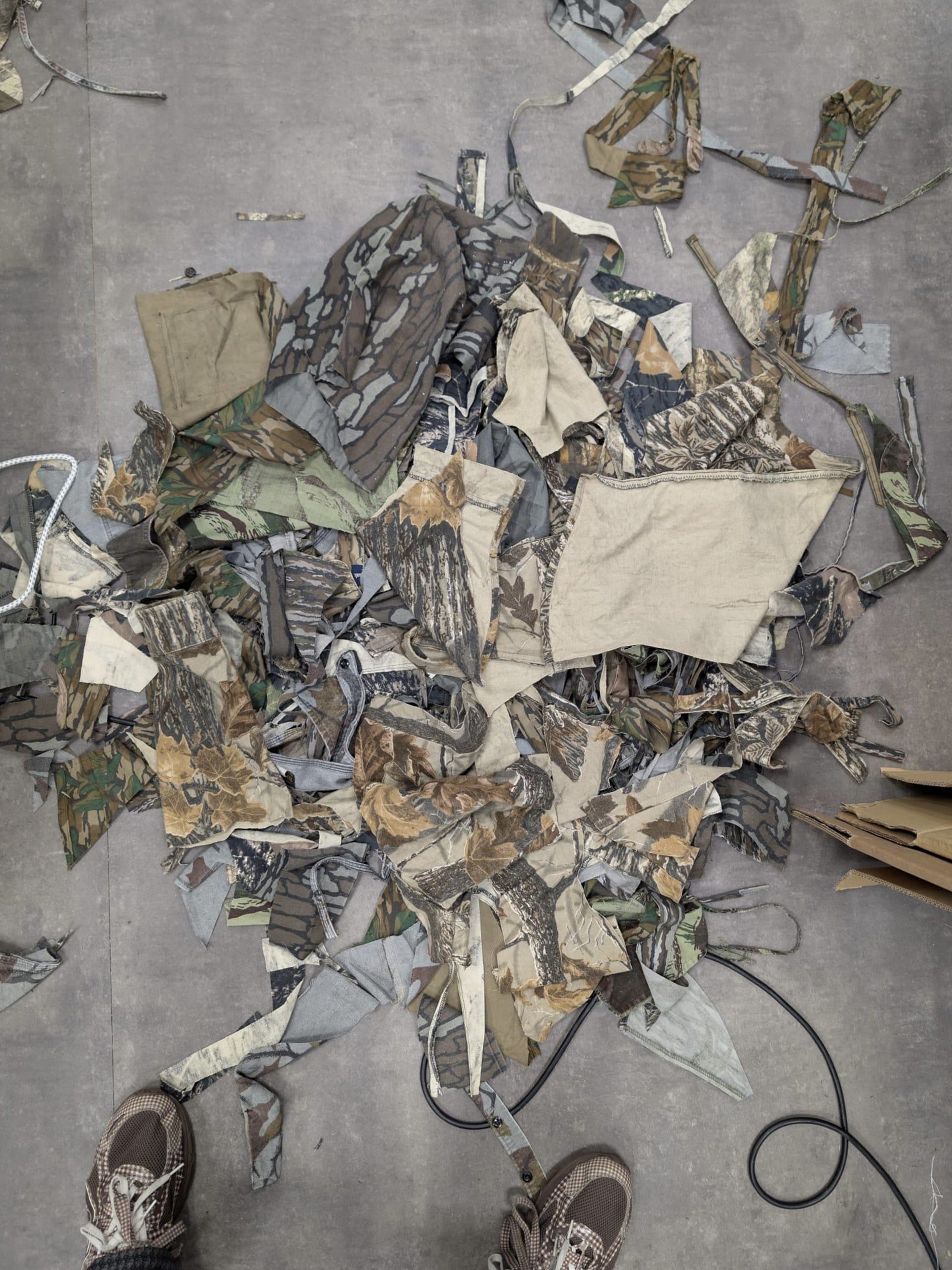
TB: How do you pick the artwork for the Printed Jeans Project and how exactly are they printed?
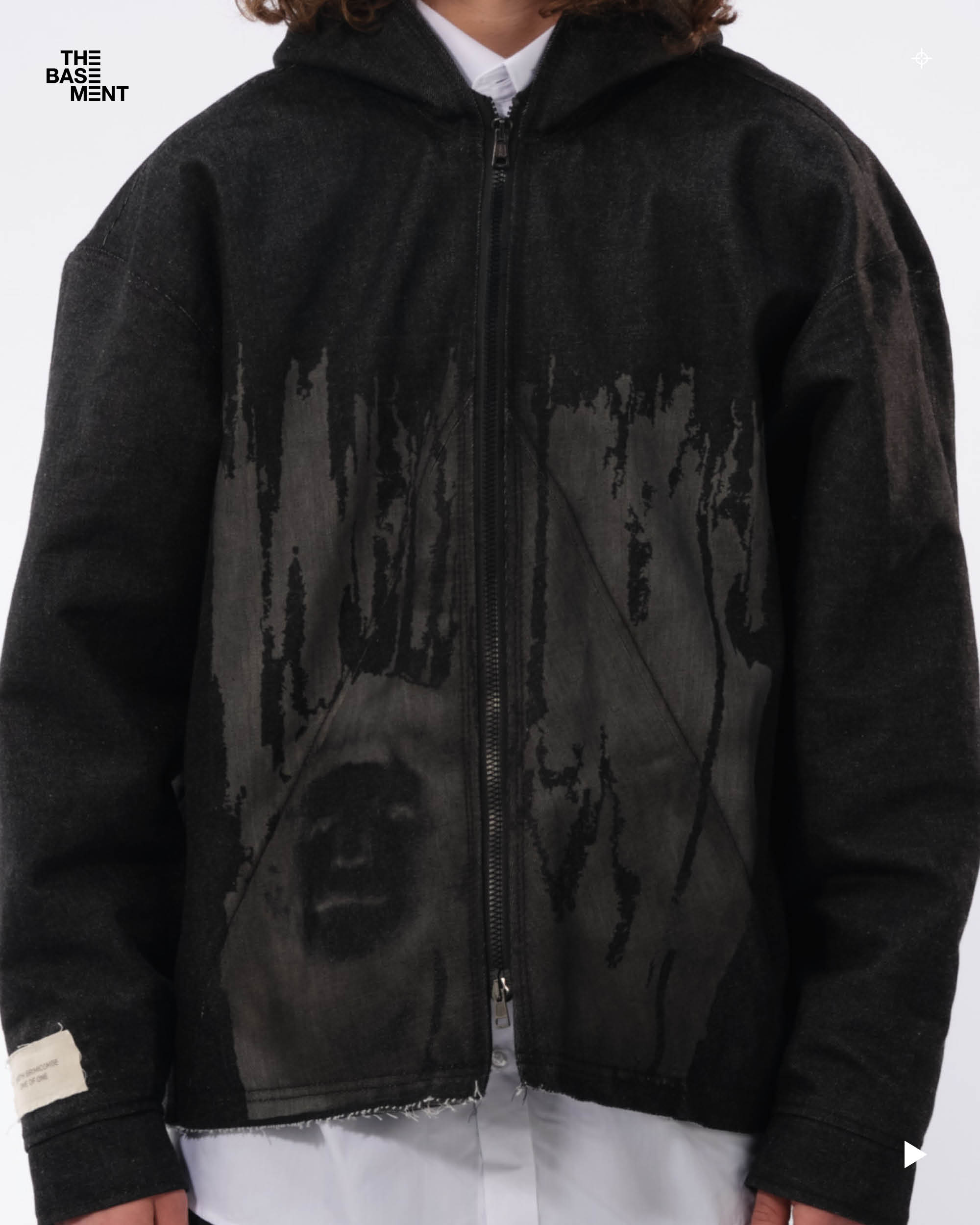
JB: The printed jeans are honestly very fun but it took a long time to be okay with doing something that isn’t fully upcycled. I find them especially interesting and fun to make because they are designed entirely digitally instead of a sewing machine or pattern cutting table, and are then sublimated onto denim and constructed from there. The artwork I use is simply things I love – from niche video games, massive blockbuster films and football cards and stickers – they all reflect on my time growing up.
TB: What are you actively working on, and what are you looking to achieve this year?
JB: I think this year for me is about doing more outside of ‘my world’, collaborating with brands in unique ways whilst still being authentic to both styles.
TB: What technical skills do you think are most underrated in fashion design?
JB: I think understanding how clothes are made is always gonna be the most beneficial thing. So many people graduate with no idea how to actually sew anything. I was lucky enough to use laser cutters, a variety of stitching/embroidery machines, and different methods of printing at uni, and I think that having a playground of tools challenges you to push your work further without meaning it has to be all conceptual and mad. Having the tools to refine the material techniques used in those shapes is what interests me most.
TB: What’s one design challenge that has taught you the most?
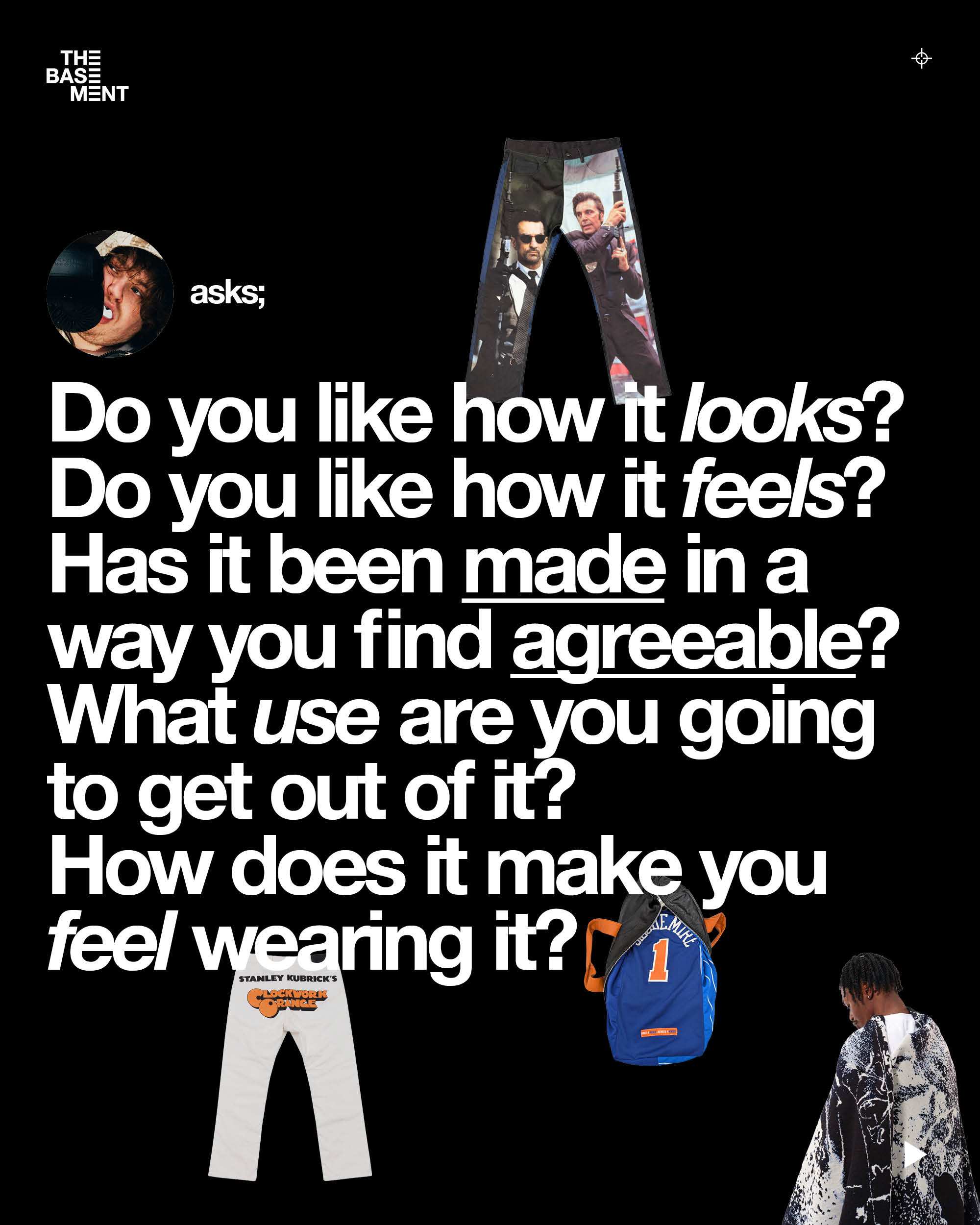
JB: I think having to justify design work to people can always feel tough. I don’t want to give someone a million references for them to like a jacket – it feels so pretentious that whether it’s considered good or not hinges on the amount of obscure meaning you can waffle behind it.
Do you like how it looks?
Do you like how it feels?
Has it been made in a way you find agreeable?
What use are you going to get out of it?
How does it make you feel wearing it?
These are the things that matter. Building with references is important but it shouldn’t be used as shallow marketing to a consumer. Iterating should be evident; There’s no new things to make, just new ways to make them.
TB: What’s been your biggest milestone to date?
JB: Winning grants and awards has been really incredible. I personally try to keep things relatively faceless and anonymous (I really love the idea of people knowing my name but having no idea what I look like), but when competing for grants and special prizes you really have to put yourself out there during presentations and answering to investors. I’ve been very fortunate to have had support from the University of Westminster as an alumni member.
TB: Any final words for aspiring & young creatives?
JB: Take apart anything you can find to understand how it’s made. Learning the practical fundamentals of making cool shit will serve you better than any theory teaching.