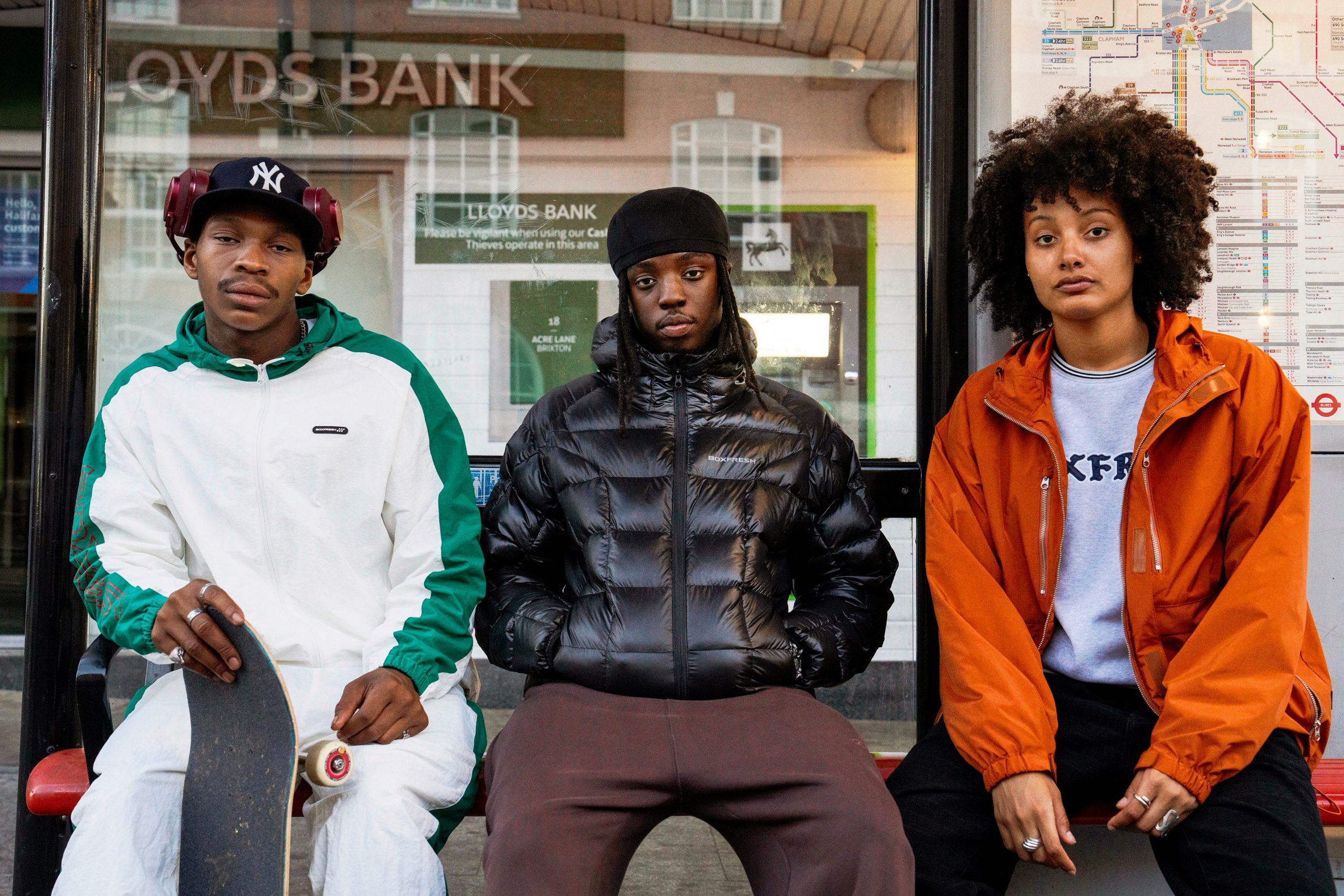
Boxfresh is back!
Founded on Greenwich Market in 1989, Boxfresh was one of the original labels of the ‘90s golden era of British streetwear, spotlighting the UK’s underground artists as the two cultures grew together.
Boxfresh was raised amogst rave, pirate radio and sound system culture, partnering with platforms like Rinse FM, The Face and Sleazenation. Seen on screen in Kidulthood, Come Grime With Me with VICE, held club nights with Tim & Barry, Grandmaster Flash and Krafty Kuts. Dizzee Rascal and Kano always repped.
Boxfresh opened its doors back in 1989, growing around the UKs underground sounds and spaces, before going into a period the team calls hibernation. The brand has taken some time back in the HQ and has relaunched with a new leadership and team, direction and attitude. London Orbital is the second collection from Boxfresh since the brand’s return. An ode to the city, it takes a cyclical view of the projects, scenes and communities that shaped the brand’s defining era, looking at how their influence continues to move through London today.
Boxfresh returns as an independent label, built by cultural experts, creatives and designers with high-fashion and streetwear pedigree from the likes of Palace, Supreme, A-COLD-WALL*, Evisu and Burberry.
Boxfresh has achieved the perfect blend of its own history and modern streetwear, with pieces designed for expressive functionality. Each piece is built to be high-quality, lightweight, comfortable and adaptable, while remaining distinctly Boxfresh.
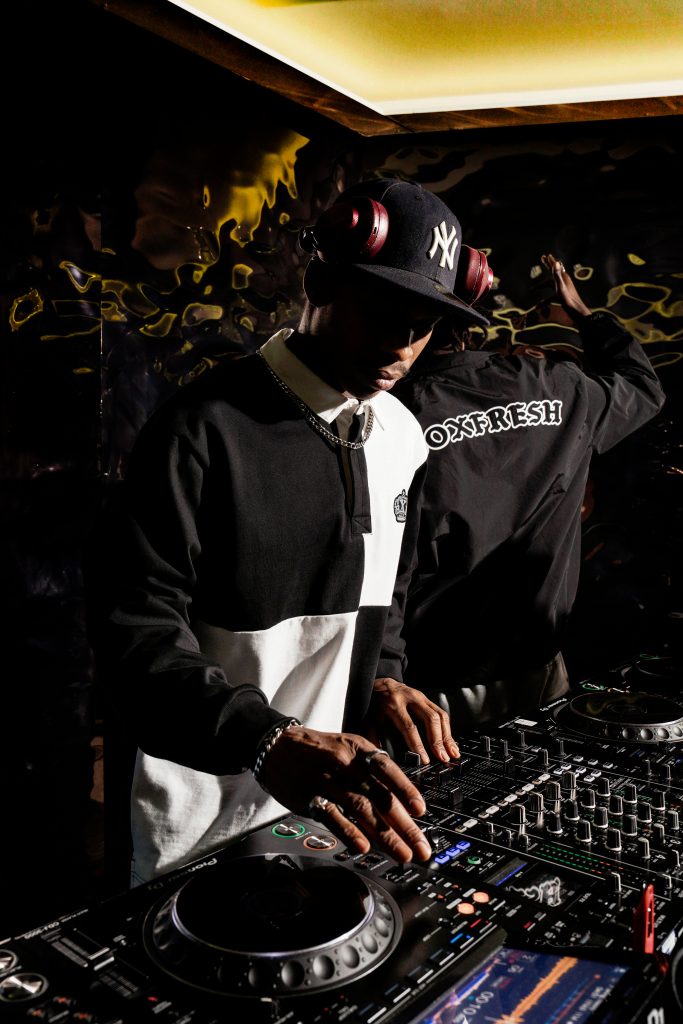
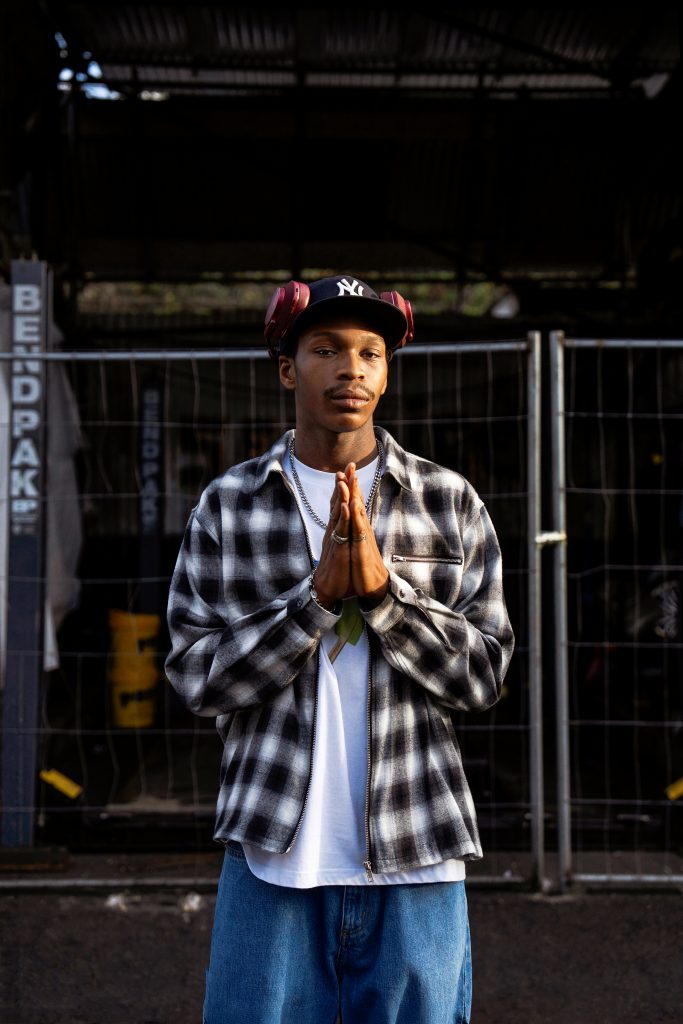
At a time when social media and camera phones were yet to exist, the internet was in its infancy and magazines ruled. Photography from this period, including work originally commissioned by The Face, was recently exhibited as part of the National Portrait Gallery’s The Face Magazine: Culture Shift. A frequent Boxfresh collaborator throughout the early 2000s, Massey returns twenty years later to turn his lens on British DJ and producer Simms and his circle, Petit Problème and Bib Sama, capturing an intimate link-up between friends in South London.
We caught up with Neil to reflect on his 30 year career and the era he iconically captured.
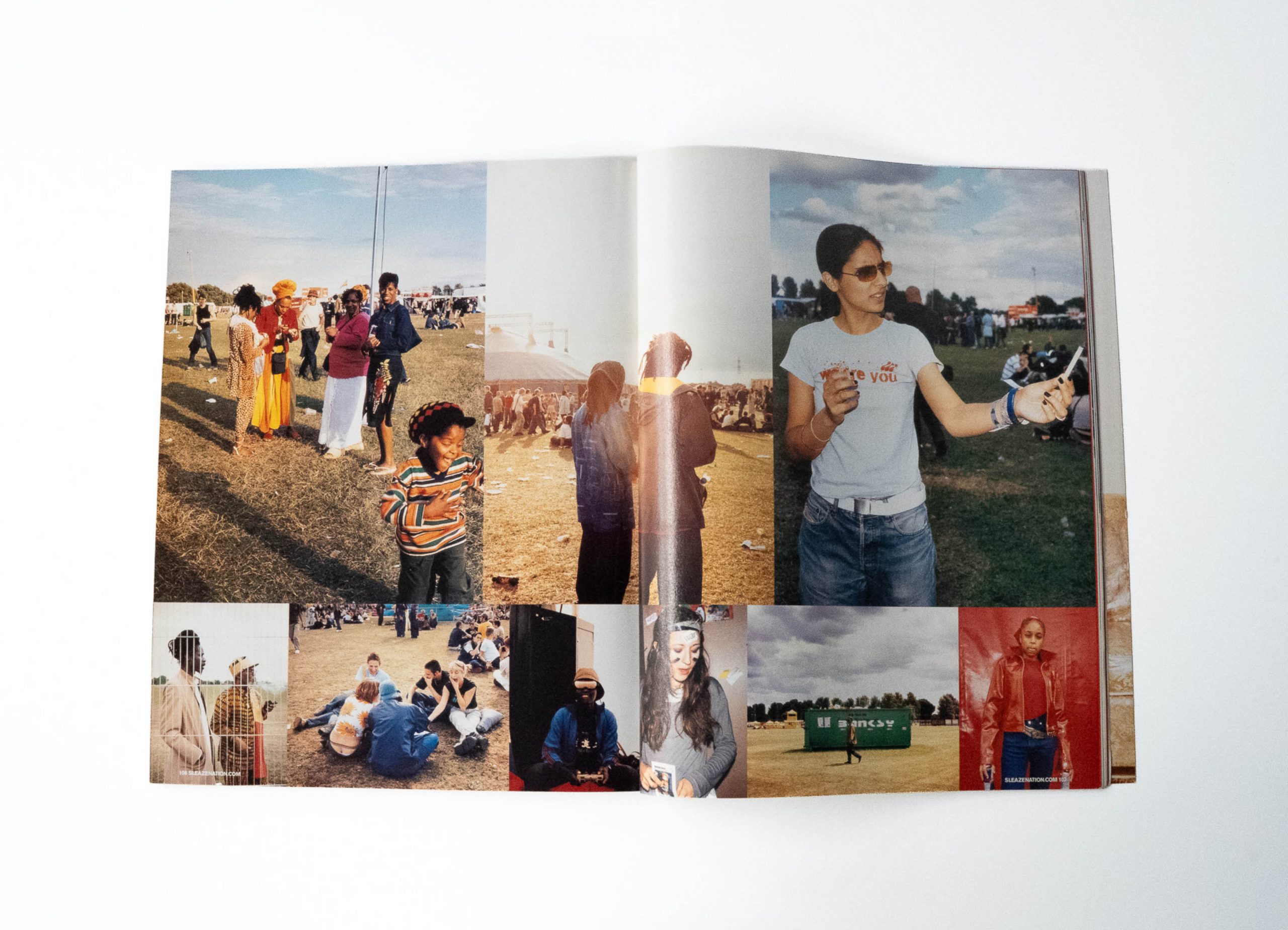
Sleazenation, September, 2001, Photography by Neil Massey
TB = The Basement
NM = Neil Massey
TB: What does Boxfresh represent to you?
NM: Boxfresh’s tagline in the early 00s was ‘We Are You’. We’d street cast, work with friends, or just turn up at a festival. There wasn’t a big fashion production around it, we were opposed to that. It was immediate, responding to what was happening around us. It was true guerrilla style. Nothing has changed. The UK’s on again – it felt right. Our music is travelling, American kids are talking in London slang, and UK brands selling out across the world.
TB: Boxfresh was closely connected to the music and youth culture of late-’90s and early-2000s London. Looking at the archive now, what do you think those photographs tell us about that culture that perhaps isn’t immediately obvious?
NM: Music and fashion was more tribal in a sense. You had to search for what was going on in the relevant magazines of your choice, or by word of mouth – now the seeking happens through social media. I guess we were less self aware too.
TB: A lot of your work from that period – whether for Boxfresh or editorially – has become part of a visual record of the era. Did you get a sense that this movement would be so important?
NM: At the time I don’t think you really thought about it like that, you were just fully immersed in it. The late 90s early 00s were kind of crazy. On Millennium eve there was a genuine fear that all the words computers would crash due to the Millennium Bug. In the 90s, the ravers had grown up and taken over the asylum, now the creative force in the creative industries. A new visual language was being created – raw, honest, Irreverent! My favourite work from this time is the Ibiza 6 page Advertorial in Sleaznation. A long weekend in Ibiza, just me the founder of Boxfresh and a bag of Boxfresh clothes. For years I thought I went AWOL for only 12 hours apparently it was 36hrs. I came back with the photographic goods though.
TB: How much of the original Boxfresh work was planned as a fashion campaign, and how much came from simply being immersed in the world around the brand and photographing what was happening?
NM: There was always an idea, or rather a location. The location was key, because it was where we find ‘our’ people in their natural habitat. We’d turn up, a small team of 3 people, a bag of sample clothes. The Essential Festival at Hackney Marshes where Jah Shaka / Ice T and Gil Scott Heron where playing where we shot another Sleazenation Advertorial.
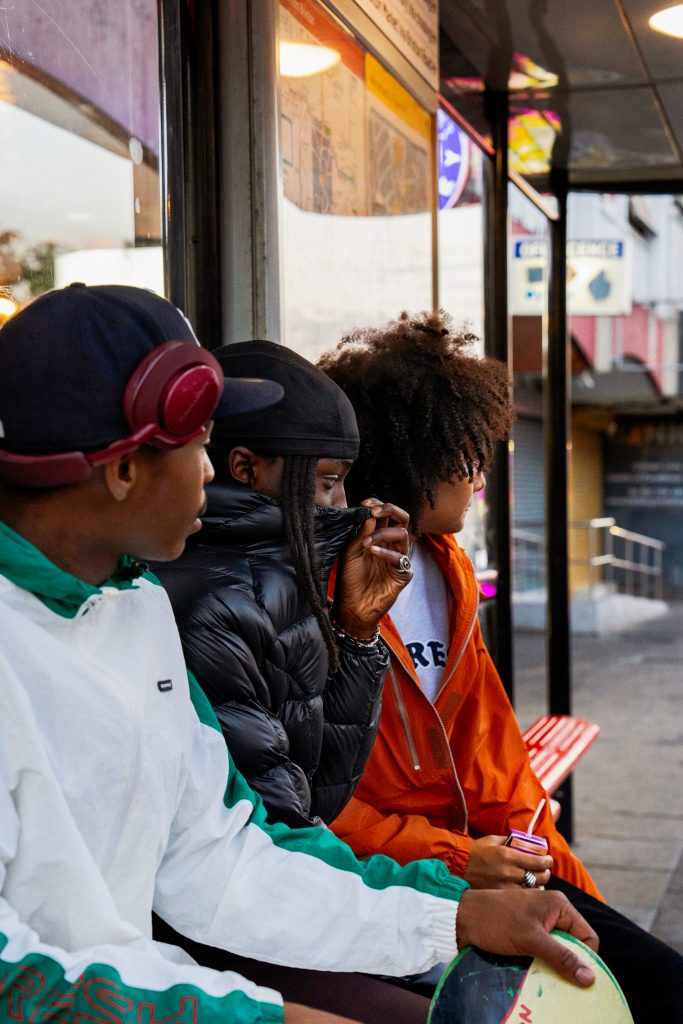
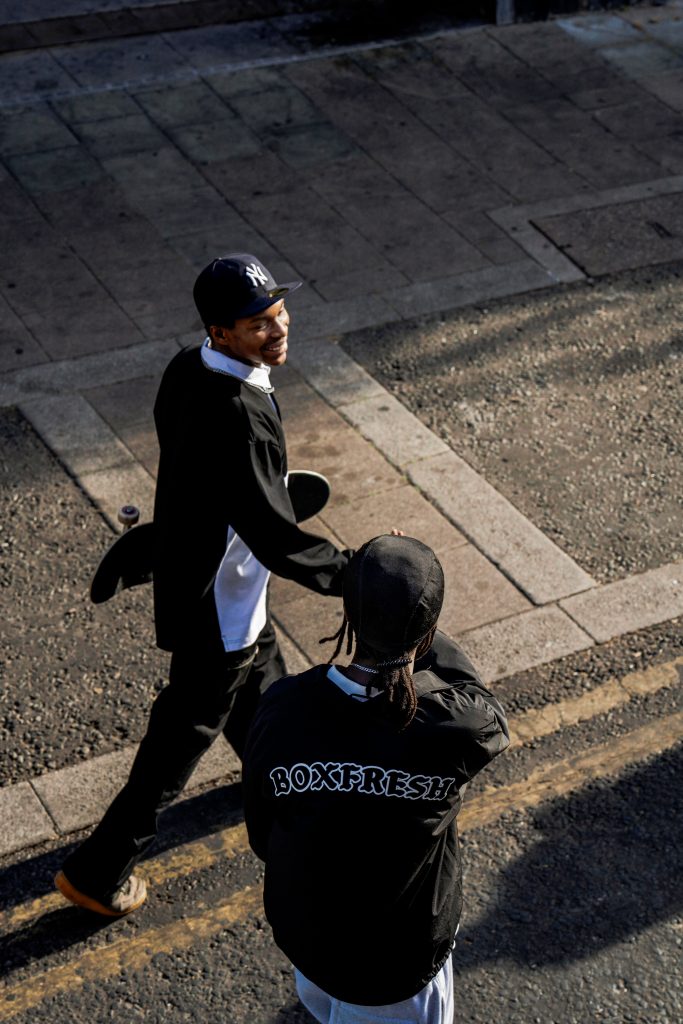
TB: You were also photographing artists, crowds, clubs and subcultures for editorial during the same period. Did Boxfresh give you a different kind of access to that world, or did you approach the brand work with essentially the same documentary instinct?
NM: I approached it with exactly the same documentary instinct. I was already fully immersed in that world through my editorial work, so Boxfresh was a natural fit. They were a small independent label carving their own pathway and I was photographing the same artists, clubs, crowds and youth culture anyway. We just evolved together. The thing I’m most proud of with the Boxfesh archive is the integration of real documentary imagery with the Boxfresh clothing.
TB: Twenty years later, you’ve returned to photograph Simms, Petit Problème and Bib Sama in South London. What was it like stepping back into a Boxfresh project after some time?
NM: Boxfresh was one of my best clients ever. I worked with them for five years, from 2000–05, shooting all their campaigns and lookbooks, so coming back twenty years later felt very natural. From my first meeting with Boxfresh again I immediately connected with them. It really did feel like picking up where we left off. Simms, Petit Problème and Bib Sama were a dream to work with. I really liked their energy. With this campaign I wanted to capture those little moments between friends in their own environment. That’s when the magic happens.
TB: The idea behind ‘London Orbital’ is that London changes – but the connections between it’s music, communities and creative scenes continue. What did you recognise in the new generation that reminded you of the London you were photographing in the early 2000s, and what felt completely different?
NM: The thing I recognise is that same excitement around music and creating something new. The thing I’ve always loved about UK music is the ever-evolving genres and sub-genres, artists constantly pushing things forward. Listening to Simms DJ and hearing the music he’s making, for a new generation. London is obviously different visually now, but the common thread is this constant evolution.
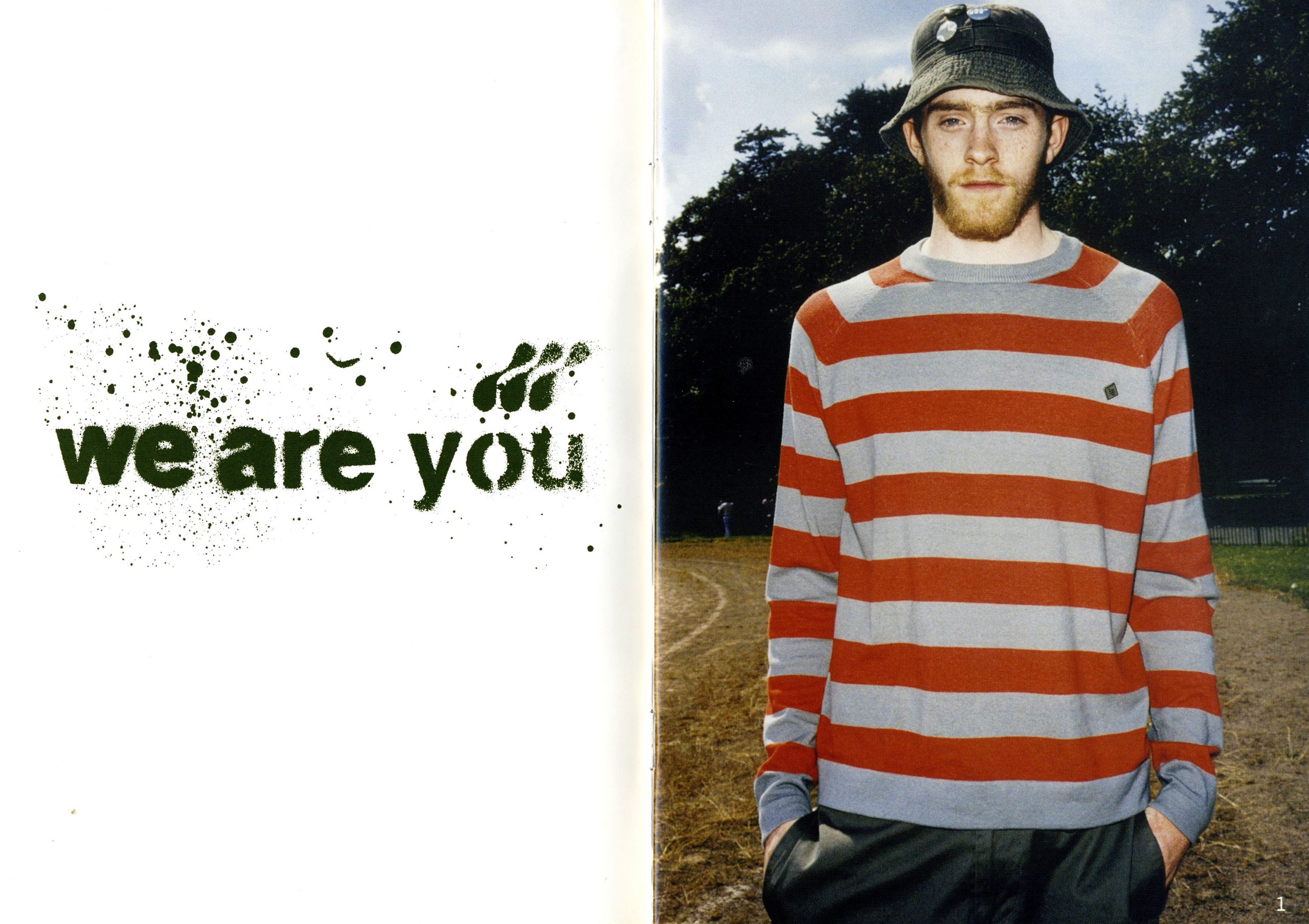
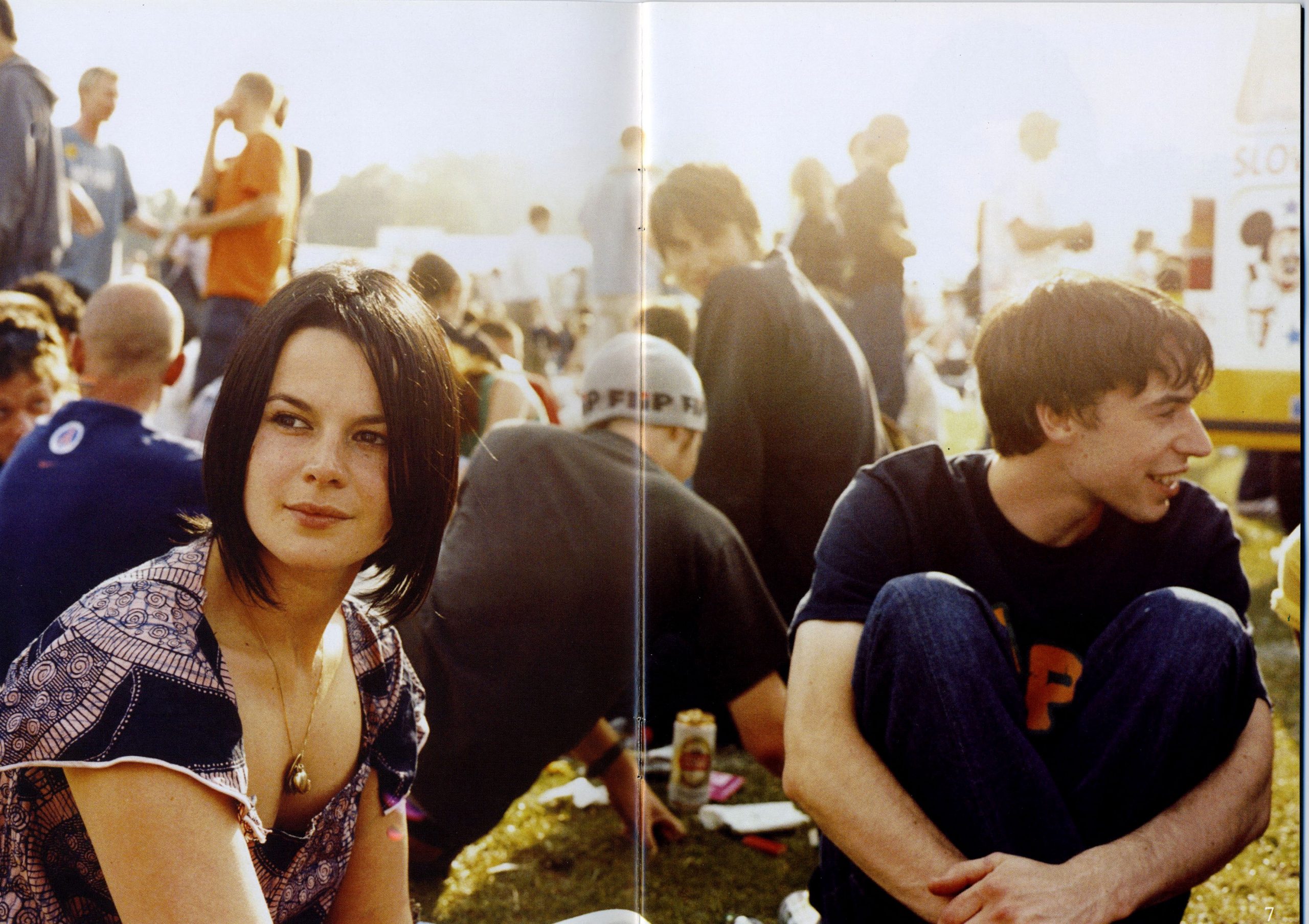
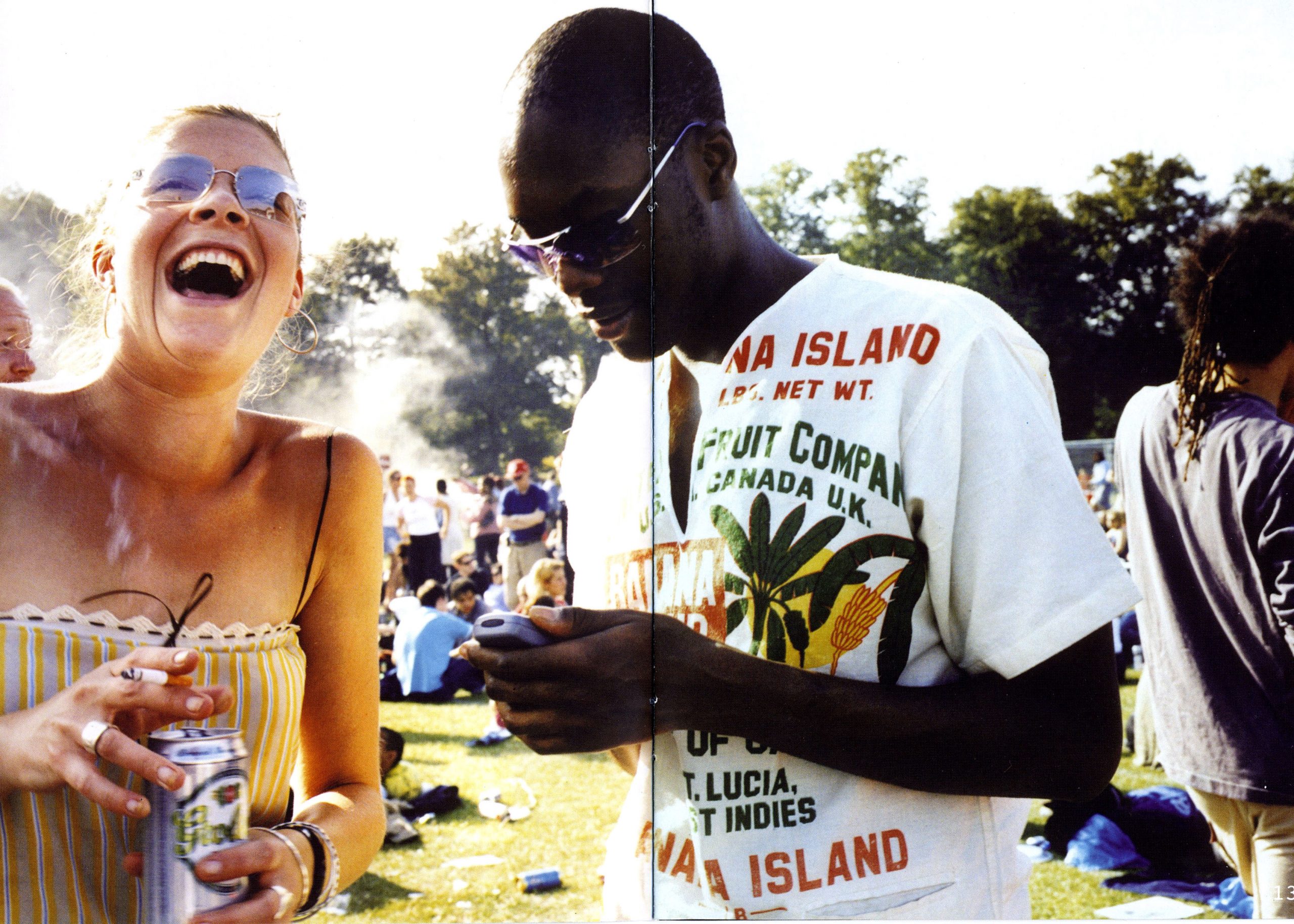
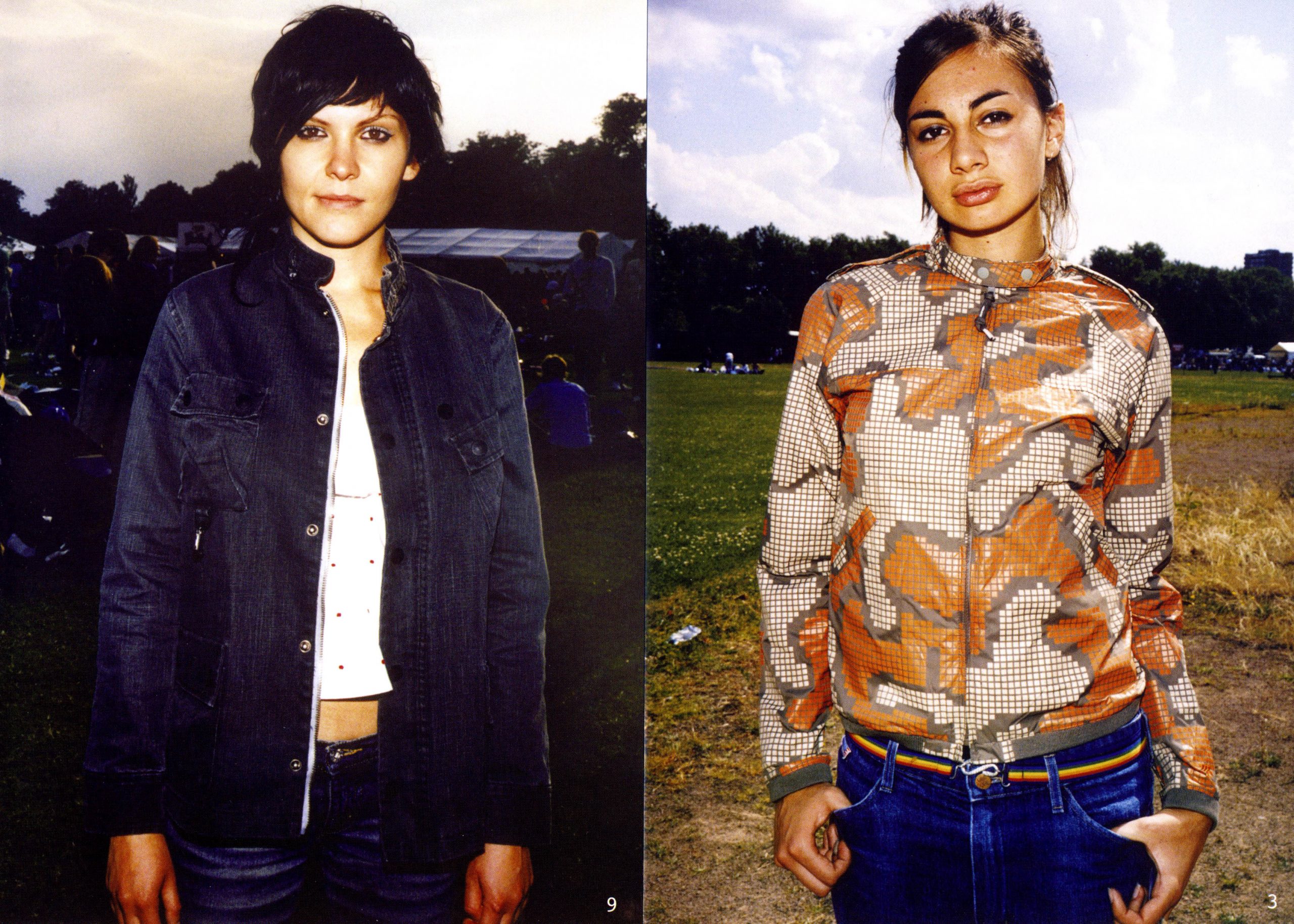
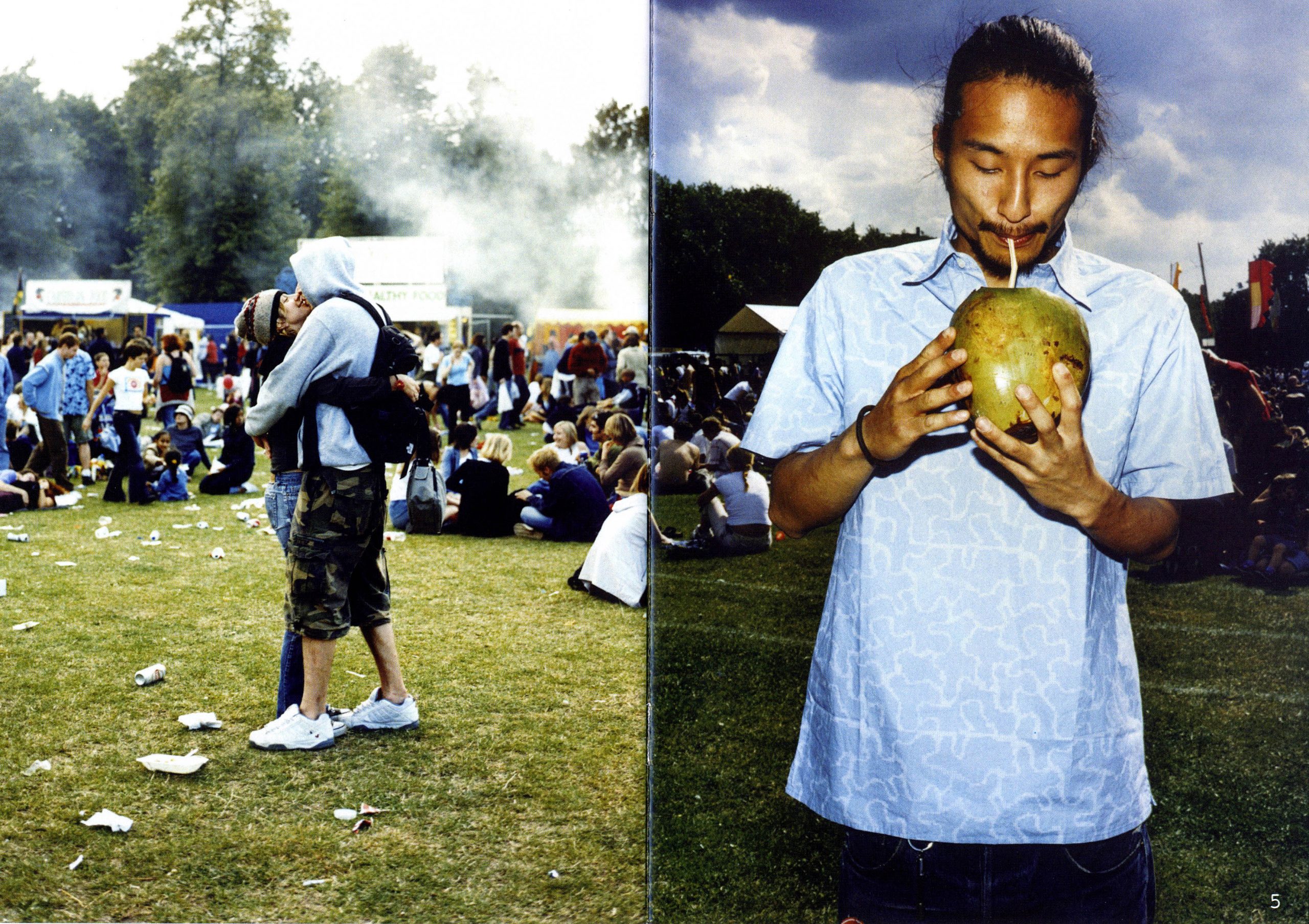
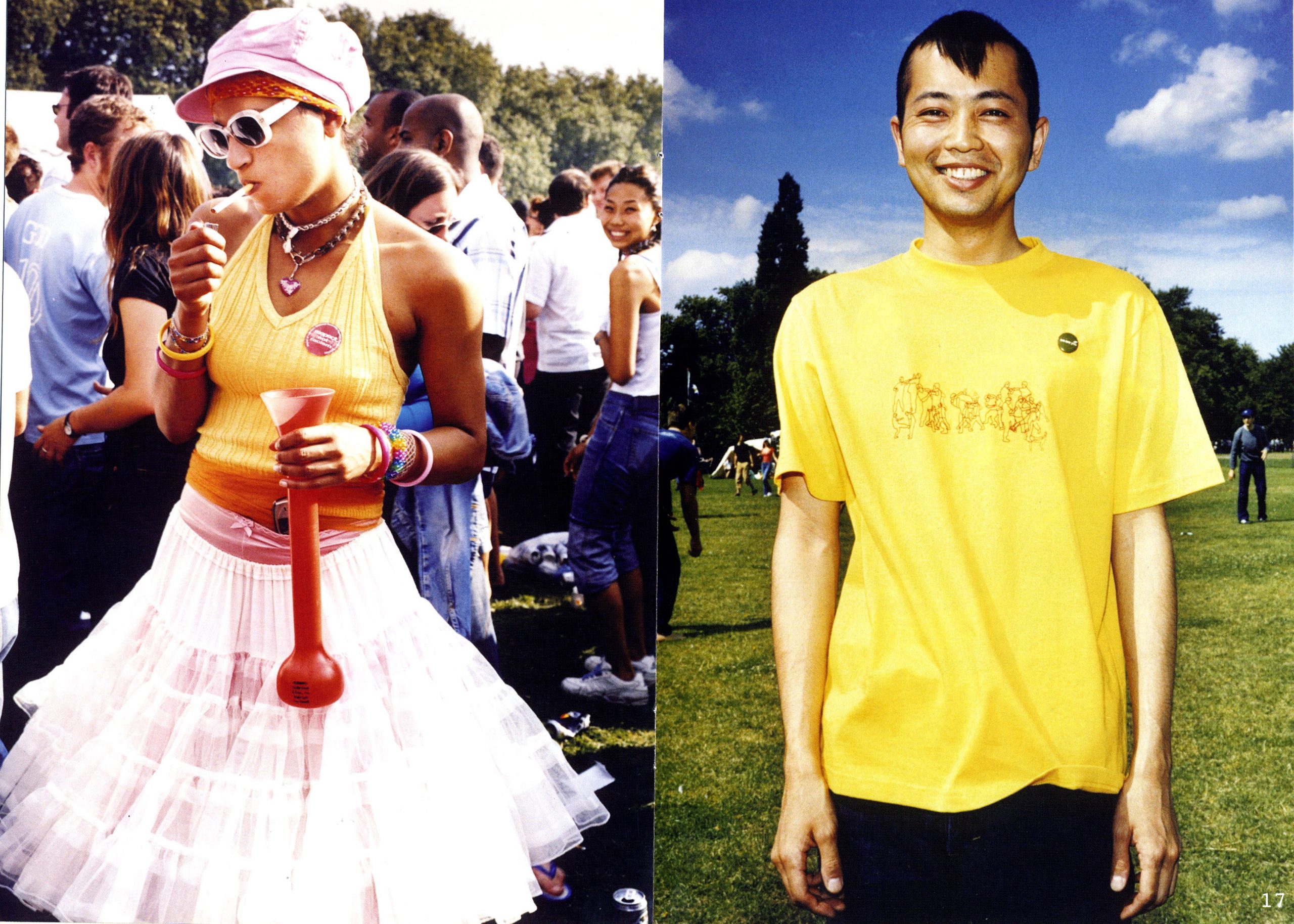
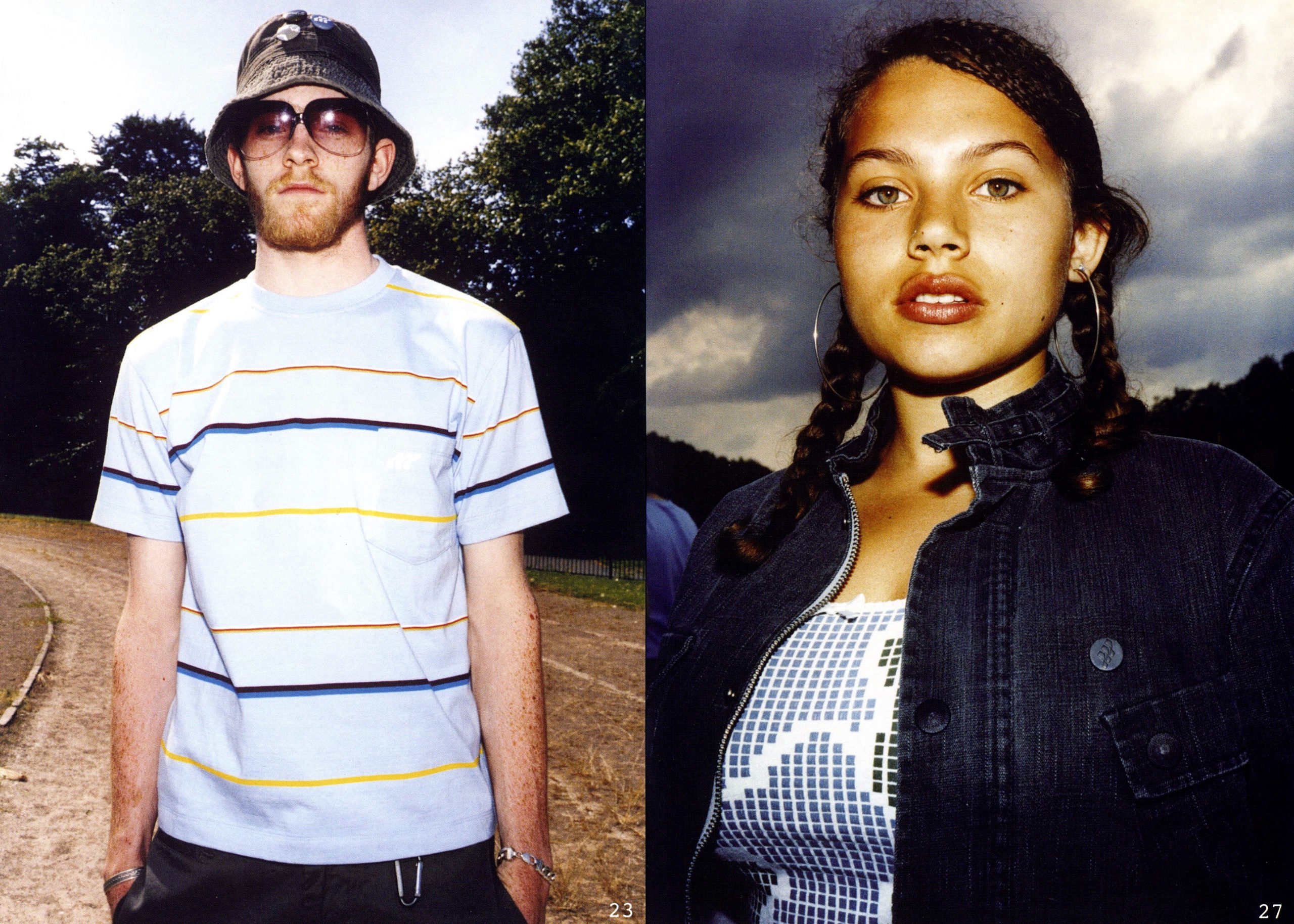
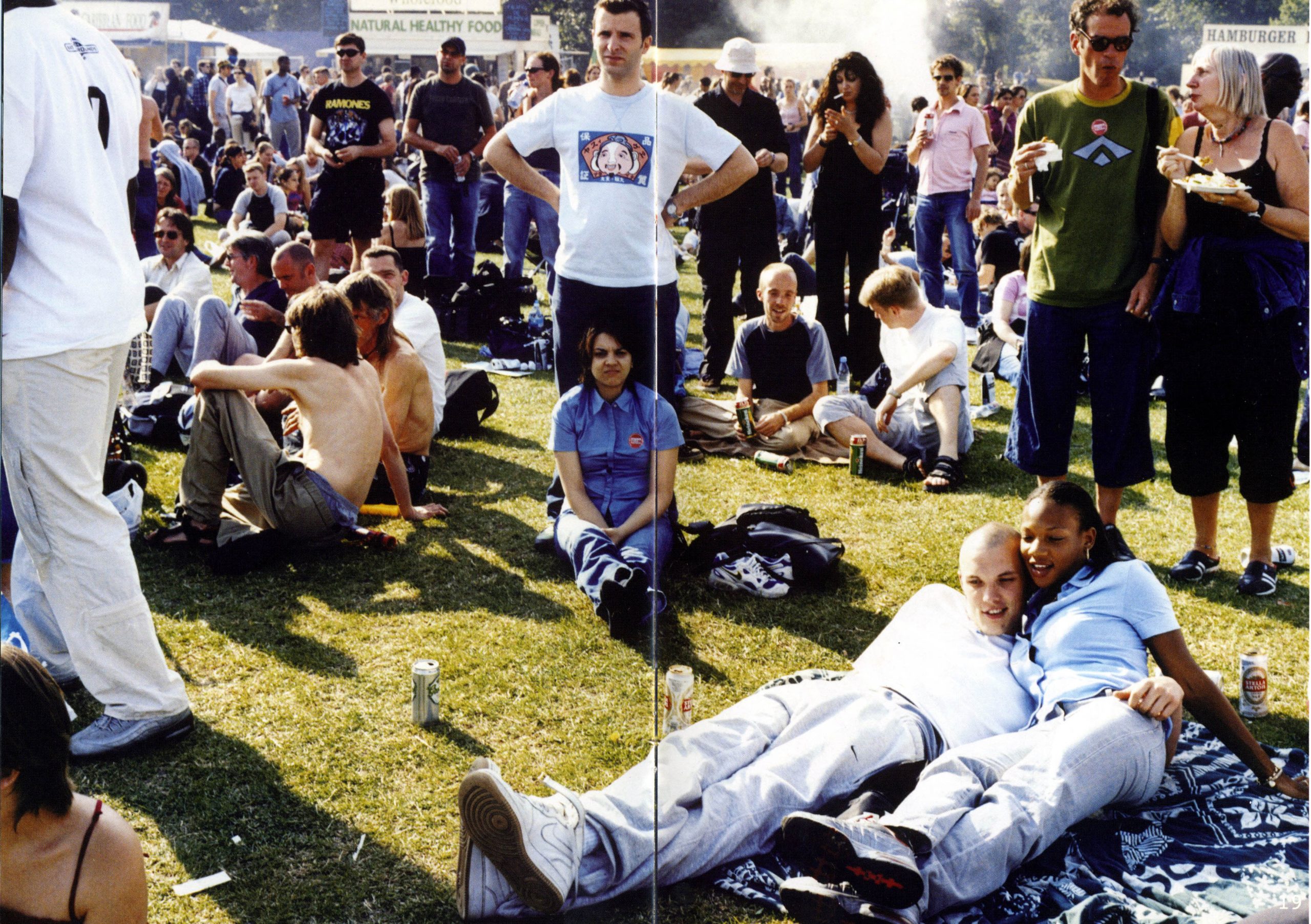
SS 2003 Anti Racist Festival Lookbook
TB: Boxfresh is effectively reconnecting with a visual world that you helped create, what do you hope these new photographs will preserve about London in 2026?
NM: It’s always hard to know at the present moment. Looking through my archive now, at my documentary photography It feels good to have captured that time at the turn of the Millennium and pre-social media. In twenty-plus years these photographs will do something different, we will only know what it is then?
TB: A lot of the original work was made before social media, camera phones and the constant documentation we have today. How did that change the way you photographed people – and the way people behaved in front of a camera?
NM: I think it’s still the same principle when you’re documenting people in a public space. You need to connect with who you’re photographing and be open. There’s definitely more of a self-awareness now, where the image might be shown? How we might be perceived online?
In the late ’90s and early 00s, it was before digital, cameras phones, or social media. I guess we were all just getting on with our own lives more.
When you turned up at a gig, club or festival with a professional-looking camera you were in the minority. People wanted to be photographed; it was a bit of a novelty. You might end up in a magazine, documented at your favourite club or gig.
We were also all shooting on film, so we didn’t really know what we’d got until the films were processed. It made you trust your instincts and focus your mind when shooting. When you got it in the can, you moved on. I’ve always been a participating photographer living the experience, getting stuck in and involved in whatever I was photographing.
Video by Odlan Wenceslao
TB: What do you think Boxfresh understood about the culture around it that allowed those original images to feel like a genuine document of the moment rather than simply advertising?
NM: I think what you see is that independent spirit running through both. Back then we weren’t trying to make Boxfresh look like a conventional fashion brand. It was all about the culture, the people. Looking at the old and new work together, twenty years apart, that still feels like the Boxfresh identity.
TB: When you look through the Boxfresh archive today, are there particular images, people or moments that have taken on a different meaning for you with the benefit of twenty years’ distance?
NM: When I look at the lookbook we shot at the Anti-Racist festival in London in 2003. I love to see London as a multi-cultural city then as it is now. At a festival connected by what unites us. There are multiple documentary images from Ibiza and Essential Festival that I now sell in my print shop.
TB: The new campaign isn’t intended as a recreation of the past. What does it mean to you to return to a visual relationship you established twenty years ago and use the same lens to document a new generation?
NM: When it comes to documentary photography my approach is still basically the same. My core aim has always been to capture the essence of the people I photograph, whether it’s fashion, advertising, music or editorial. I’m not trying to recreate what we did twenty years ago. It’s the same instinct, just photographing a new generation.
Boxfresh’s new collection is now available at boxfresh.world
Limited edition prints available from Neil’s archive at neilmassey.com