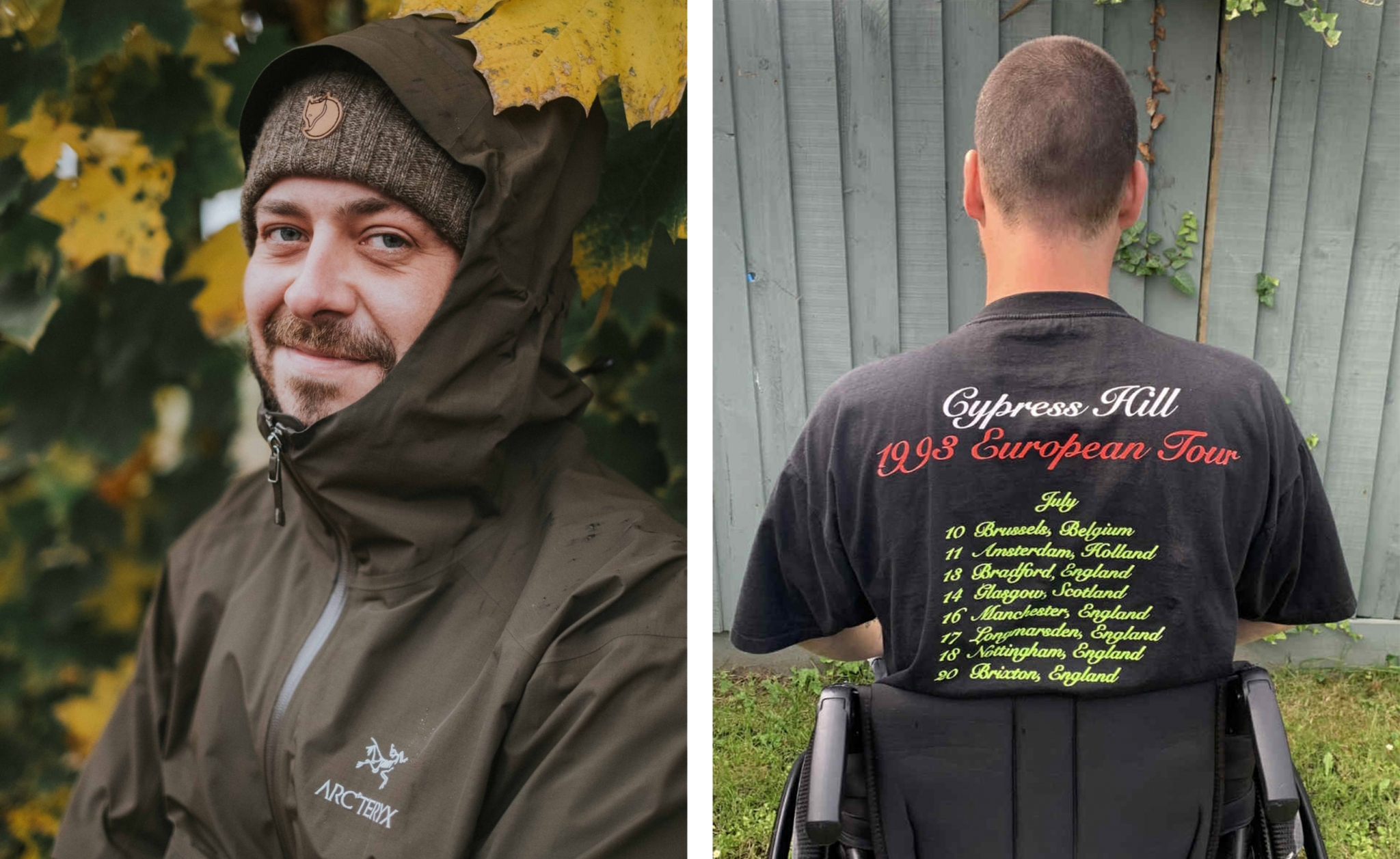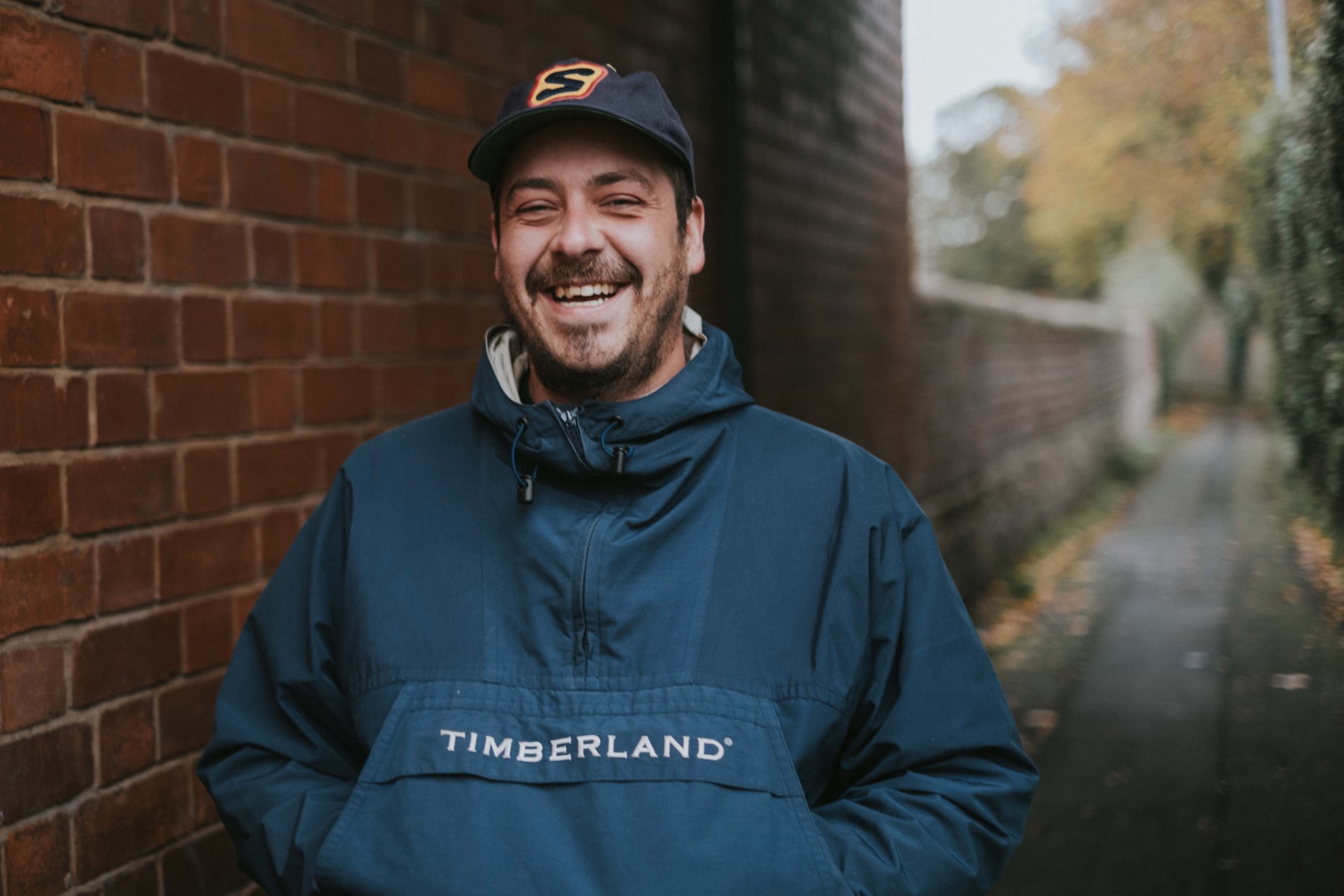
Community Spotlight: @oj_deaks
Community Spotlight is a series shining a light on community members with a story to tell. Following his post in the group, we caught up with Ollie to discuss the issues around accessible fashion in today’s industry and how he aims to solve them.
Ollie, an avid collector of vintage and founder of @thestreets_archive, shows us that fashion – whilst has advanced in years – hasn’t actually improved practically and instead has got worse for those with a disability.
TB: Tell us a little about yourself Ollie.
OD: I’m 30, from Herefordshire, and fashion is a huge part of my identity. I love mixing vintage and modern, hunting for rare pieces, and building outfits that tell a story. In 2020 I sustained a spinal cord injury and became a full time wheelchair user. Since then, I’ve gained a completely new perspective on clothing and on how much of the fashion world still isn’t built with disabled people in mind.
TB: What are the clothing-based problems you face on a daily basis?
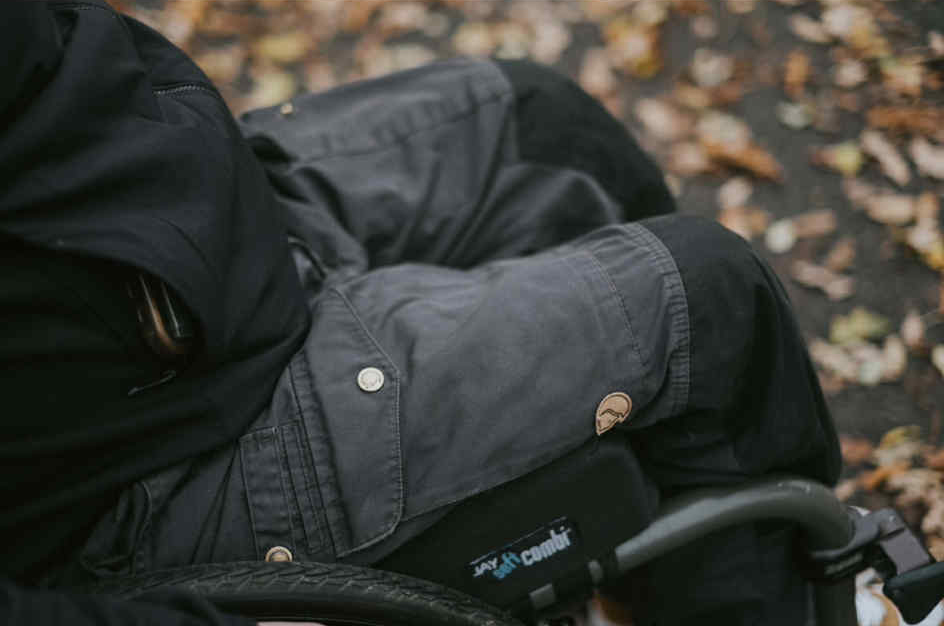
OD: A lot of everyday clothing isn’t designed with seated individuals in mind. Waistbands dig in. Tops ride up at the back. Jackets bunch awkwardly. Details like back pockets or thick seams can cause real discomfort over a long day. What should be a form of self expression can easily become a barrier to independence if the design hasn’t considered disabled individuals.
TB: How do you think disabled people are represented in fashion?
OD: Some of the current adaptive market are making good moves but this doesn’t cover the full diversity of their customers. As a young man who loves vintage streetwear and well made clothing, I rarely see myself represented. There’s a clear gap for adaptive fashion aimed at younger, style-conscious people who want confidence, edge and individuality.
TB: What’s an outfit or garment that made you feel especially confident and why?
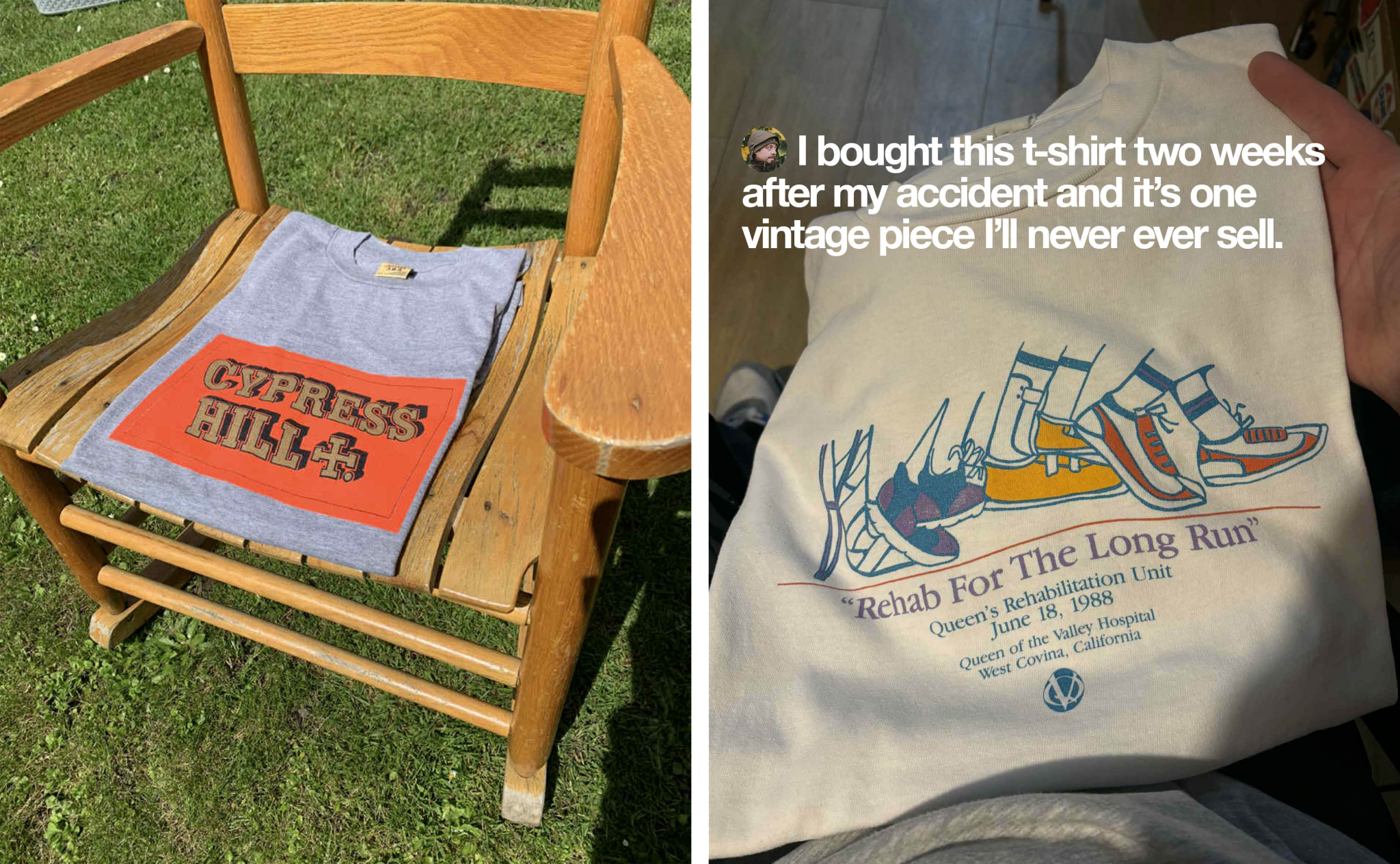
OD: A well-fitting vintage tee is probably the garment that’s made me feel the most confident. When the cut is right, it just works when I’m seated. No riding up at the back, no awkward clinging, and no restriction across the shoulders. Confidence and mood are so closely tied to what you wear, and everyone deserves the chance to feel good in their clothes.
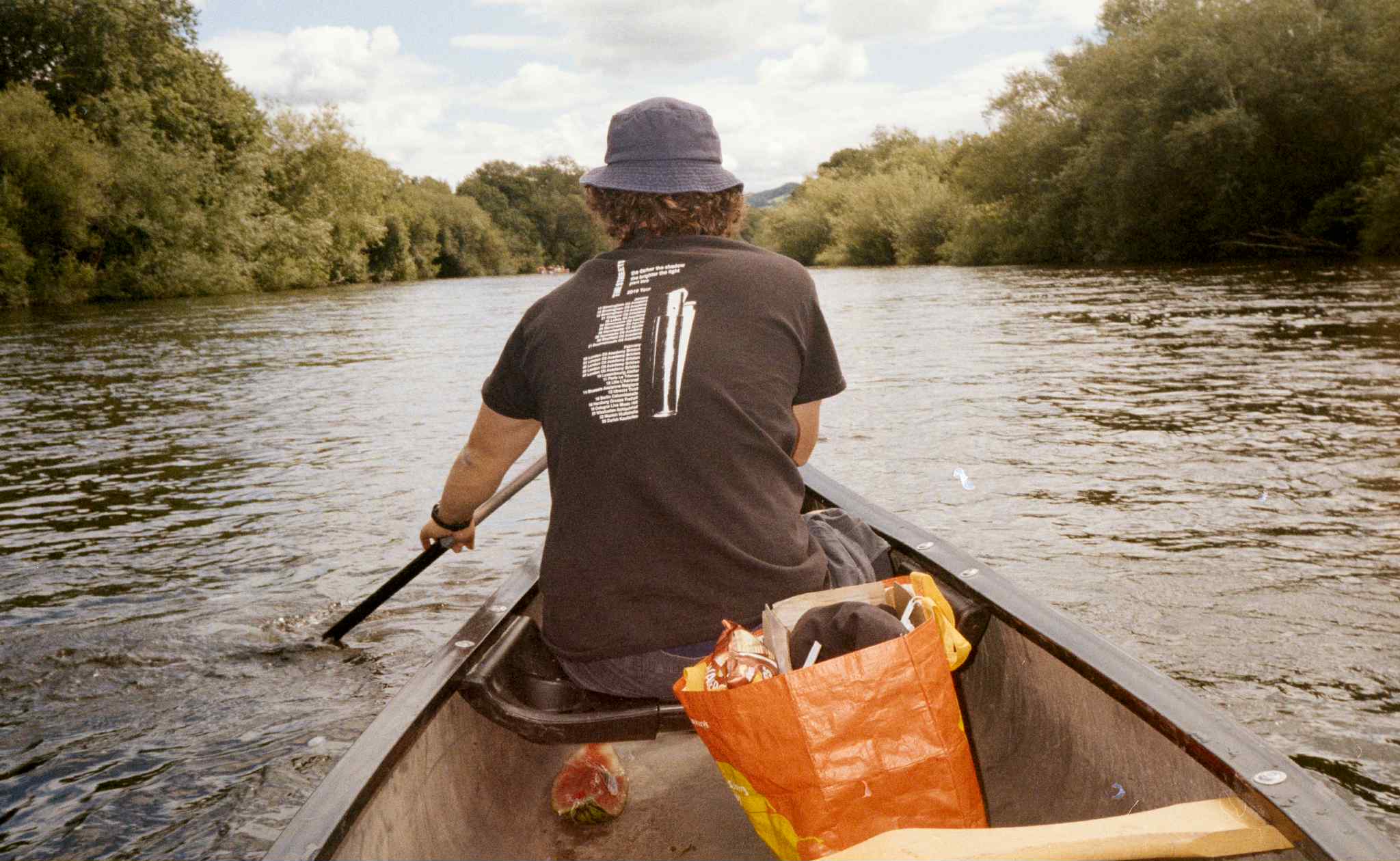
“When a piece of clothing fits the way you want it to, it really changes how you carry yourself.”
TB: What opportunities do you see for brands?
OD: Disabled people and their families hold £442 billion of annual UK spending power. Yet almost 3 in 4 disabled shoppers have walked away from purchases due to poor accessibility or lack of inclusive options. Brands that get this right don’t just win a sale – they win long-term loyalty. Today’s consumers – especially the younger generation – expect brands to stand for something. Investing in adaptive fashion aligns with social responsibility, drives innovation, and opens up a huge underserved market. Inclusion isn’t a box to tick. It’s smart business and the right thing to do.
TB: What changes would you like to see in the fashion industry?
OD: Adaptive design doesn’t need a complete reinvention. Magnetic fastenings, seated-friendly cuts, loop pulls, softer seams, adjustable fits – subtle changes that massively improve comfort, independence and dignity. When clothing is created with disabled people in mind, it helps people feel like part of fashion, not an exception to it.
TB: Do you see any brands who are doing it well?
OD: A few lower high street stores recently launched their first adaptive ranges which is a welcomed step, but fast fashion can’t be the only one pushing this forward. Disabled people deserve stylish, high-quality options across the whole industry, from high street to premium. Accessibility shouldn’t be confined to one store, one price point or one type of garment.
TB: What are the biggest frustrations you encounter when shopping – in-store and online?
OD: In-store, accessibility is still a huge issue. Narrow aisles, cluttered rails, changing rooms that are not accessible. I know it’s not always possible in smaller locations but it’s just another barrier to purchasing. Online, it’s the lack of information. Brands rarely show garments on seated models or explain how pieces fit when sitting down. Measurements don’t always tell the full story on how something fits.
TB: How does fit differ for you when seated versus standing designs, and what do brands often misunderstand about this?
OD: Most clothing is designed around a standing body, but when you’re seated all day, proportions change. Rise lengths, back coverage, sleeve placement and fabric tension all behave differently. Brands often misunderstand that it’s not about making clothes “baggy” or oversized – it’s about thoughtful shaping and balance. A garment can look great standing up but become uncomfortable or impractical the moment you sit down, which is where the design really needs to work.
TB: How do you hope your work and voice will influence younger disabled people developing their own style?
OD: I want disabled people to know they don’t have to compromise their style because of their disability. If sharing my experiences helps someone feel seen, experiment more, or lean away from the idea that adaptive means boring, then that matters.