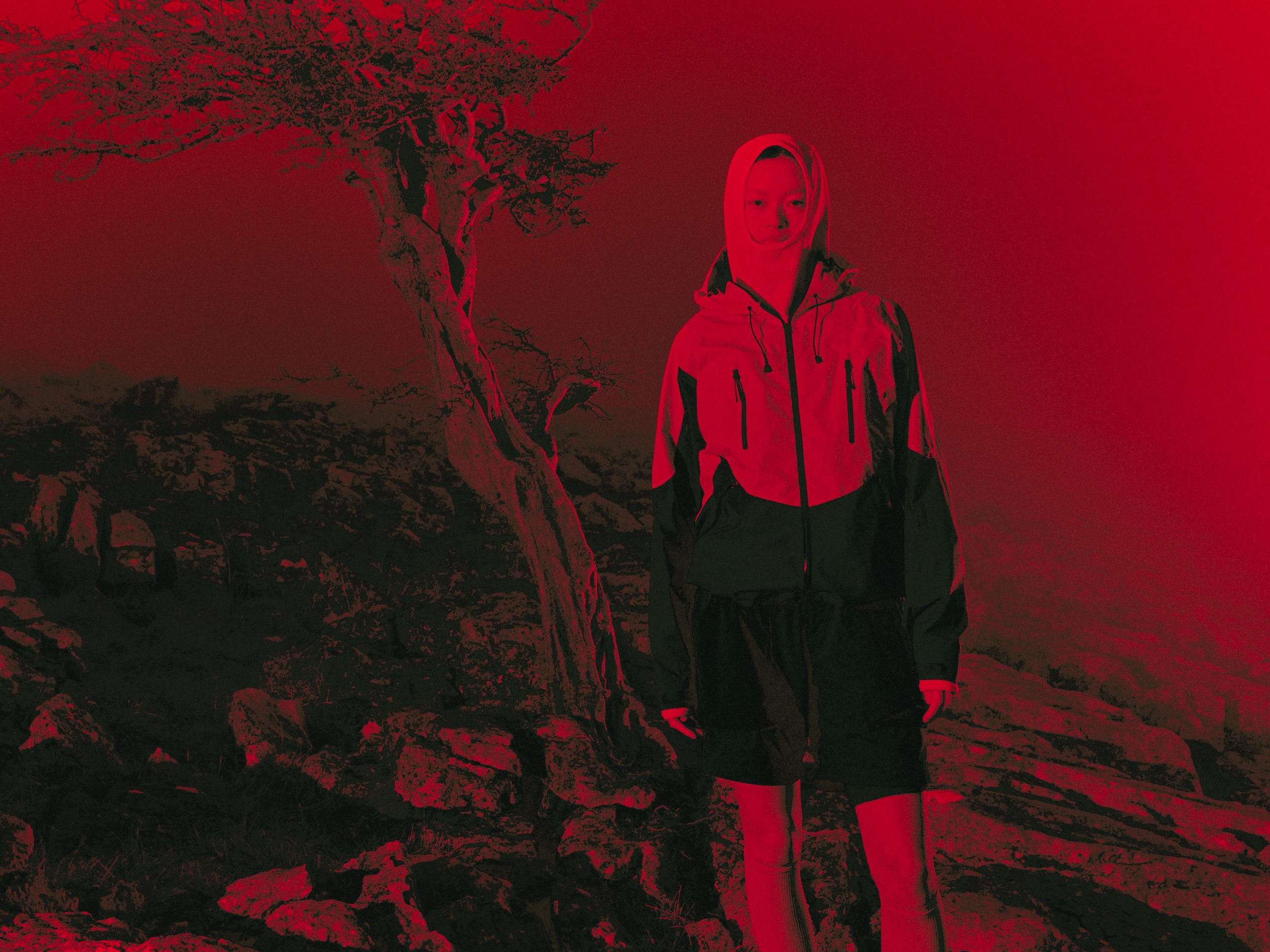
Can you take us back to the beginning — how did Purple Mountain Observatory come to life, and what does the name mean to you?
I’d been in the industry for over two decades, working across design roles for other labels, but there was always a part of me that wanted to build something rooted in my own passions. I grew up in Barking, East London, and the outdoors was my family’s escape from the city, we’d often go camping in France or around the UK, and they were our holidays. That part of my life has stuck with me since a kid.
The name came from the Purple Mountain’s in China, it’s a real place in China and somewhere I have visited many times, it’s home to one of the first modern observatories and not far from our own factory. Not just that it also symbolised a sense of exploration, it’s about finding perspective, whether you’re in the middle of nowhere or the middle of London.
How would you describe the ethos of PMO to someone discovering the brand for the first time?
At its core, PMO is about technical design built for real environments, pieces that work as well on a hillside as they do in the city. We obsess over fabric innovation and construction, but the brand isn’t just about gear, it’s about the people around us. We collaborate with photographers, musicians, climbers, designers; people who share the same curiosity for the outdoors and for culture, and that doesn’t always mean everyone’s an expert, it’s just that joy for it that brings us all together.
It’s that intersection between technical performance and creative expression that defines PMO. We want our products to not just feel for high altitudes, but also to feel part of everyday life.
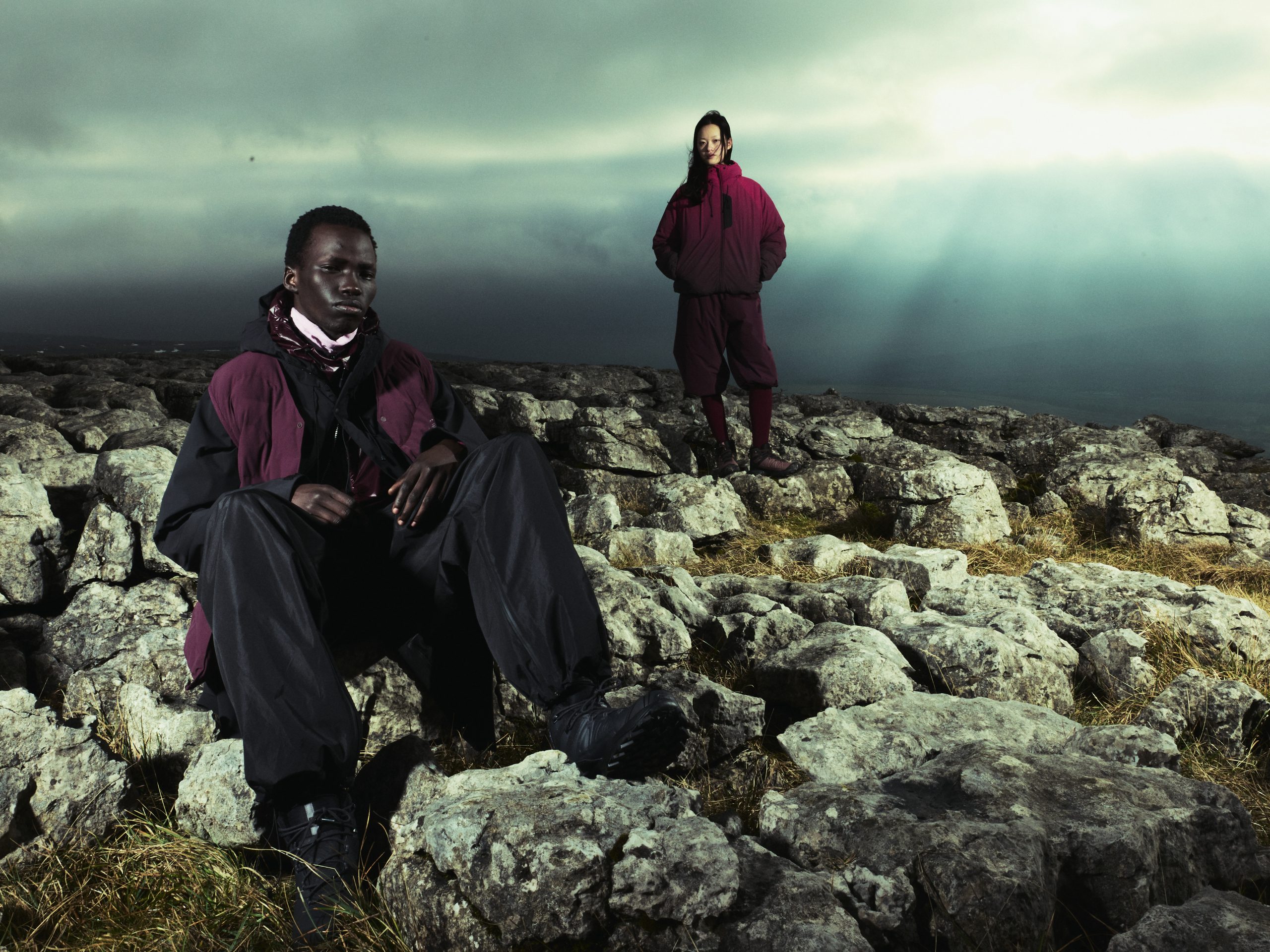
What makes your perspective unique in the UK outerwear space?
I think it’s unusual for an outdoors clothing brand to come from such a metropolitan city, in most cases brands tend to come from the sticks or countries which are very much ‘outdoors’. Instead, we’re from a large city with such a big mix of people, but we still enjoy the outdoors.
It’s our surroundings that give us this unique perspective, it allows us to create garments that not only perform in nature, but also, they can be exactly what we need when we’re out and about in the city.
PMO has quickly grown into one of the UK’s most talked-about independent labels. What do you think has resonated most with your audience?
People recognise when something is built from a real place. When we started out, we’d host hikes, small-scale activations and show off a genuine love of the British outdoors. That honesty, paired with a design language that treats outerwear as both equipment and expression, seems to strike a chord. Our audience can feel that the products are born from lived experience, not from chasing a trend.
How do you keep community at the centre of the brand as it scales?
Community is such a buzz word when you’re in a brand, but honestly, it’s how we’ve grown, and we’ll always be thankful of that. Every season we make sure we work with locals, host hikes, push something that can give back, without any thought for brand.
We’re growing at a nice rate, so we’ve been able to keep it going nicely, it’s these touchpoints that remind us of how and why we started.
What have been some of the biggest challenges of building and growing an independent label in today’s landscape?
Being an independent brand means every decision, creative or financial, lands on your own desk. There’s freedom in that, but also real pressure. Supply chains are unpredictable, production costs are volatile, and the market is crowded. For us the challenge has been holding our ground: keeping quality high and storytelling strong while scaling at a pace that doesn’t compromise what we stand for.

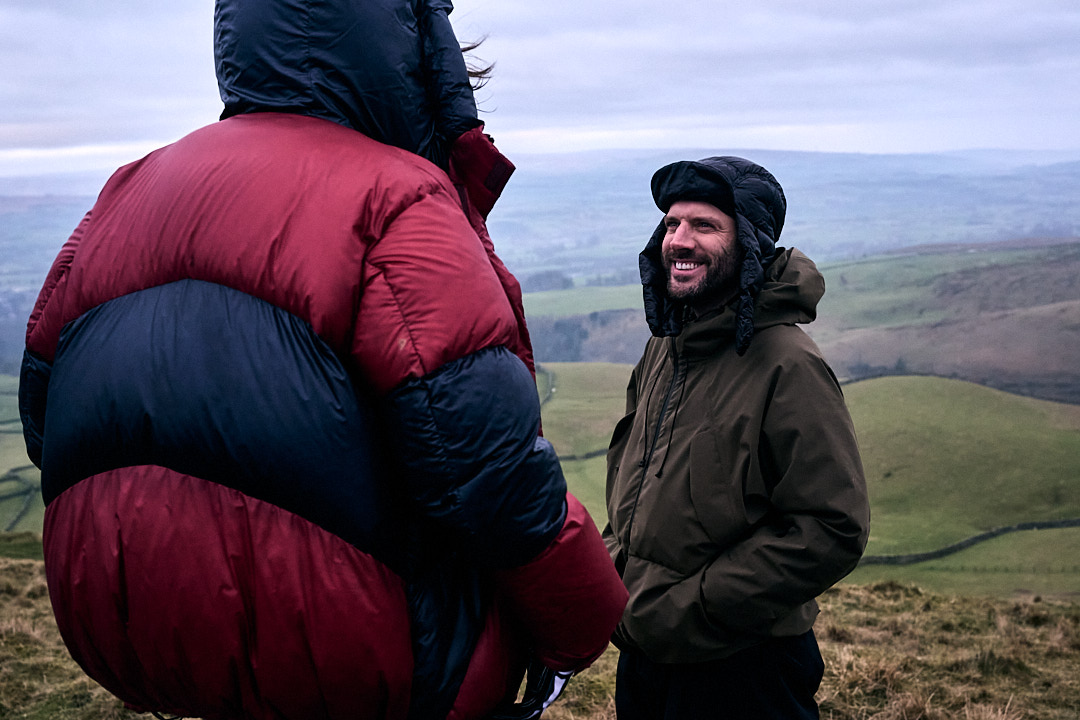
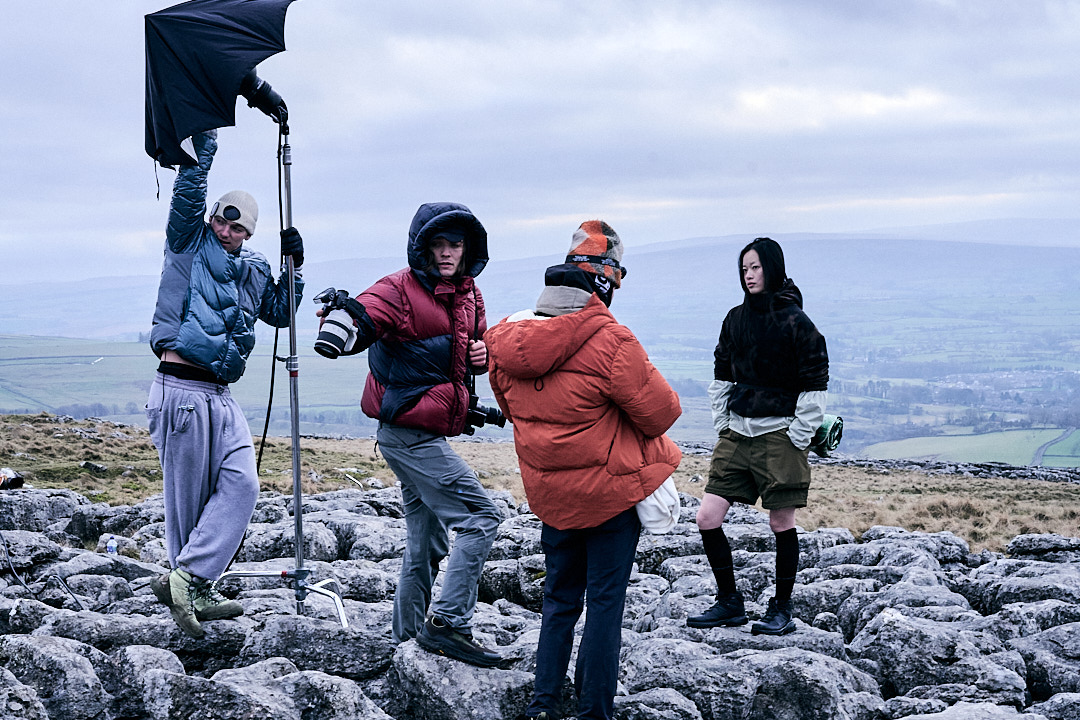
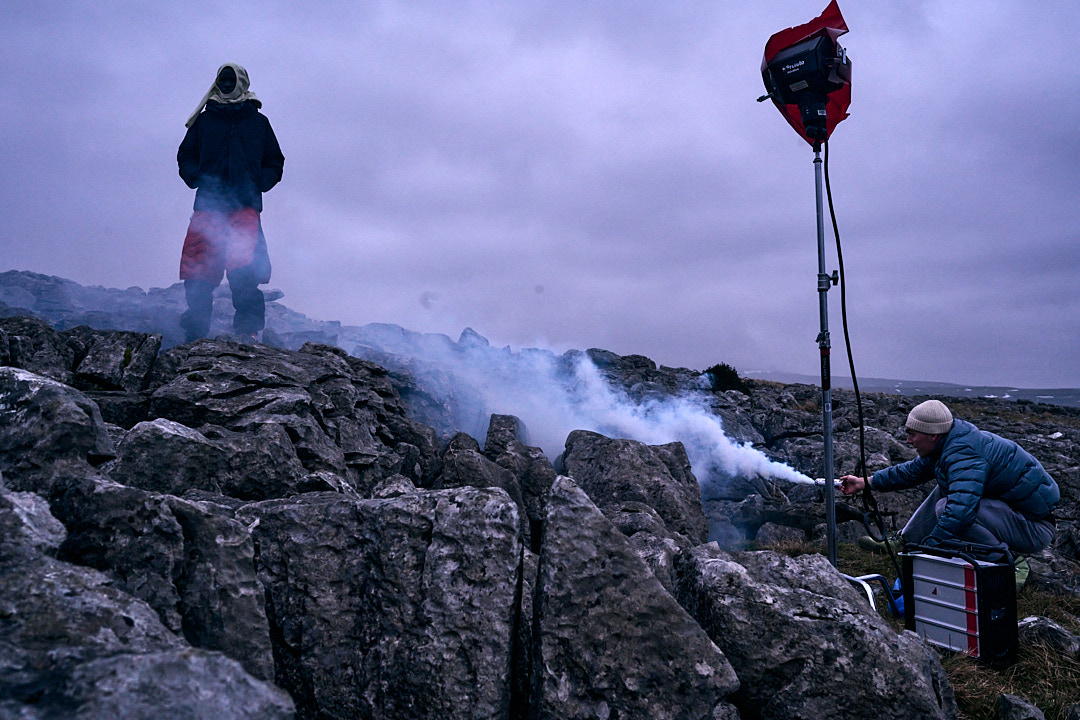
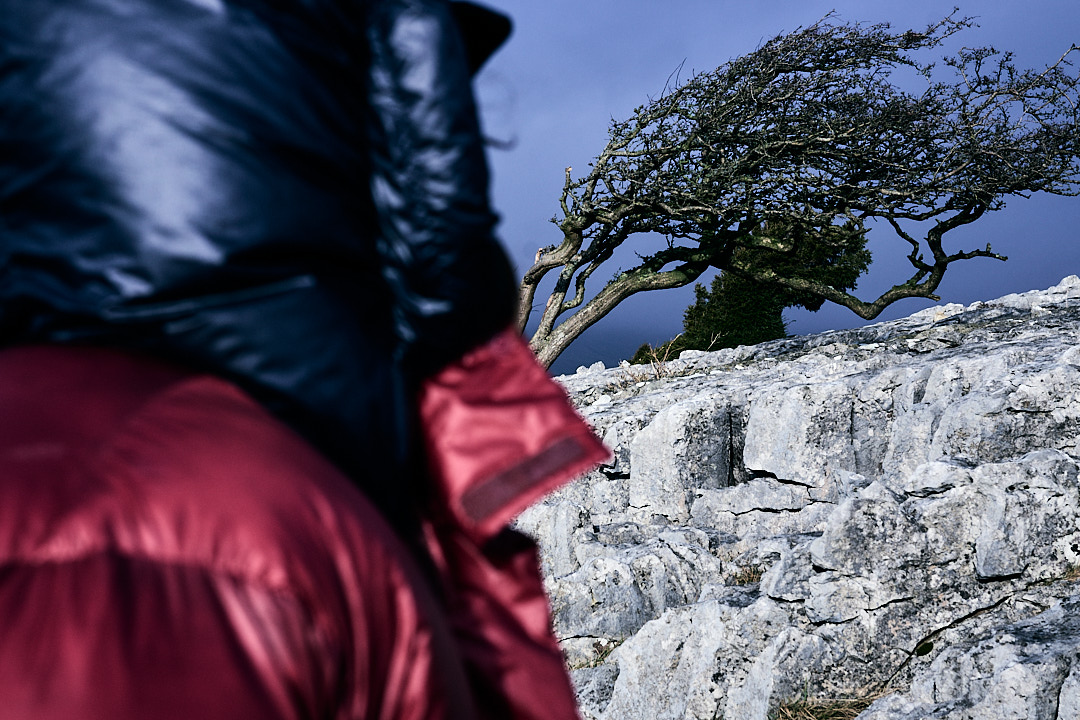
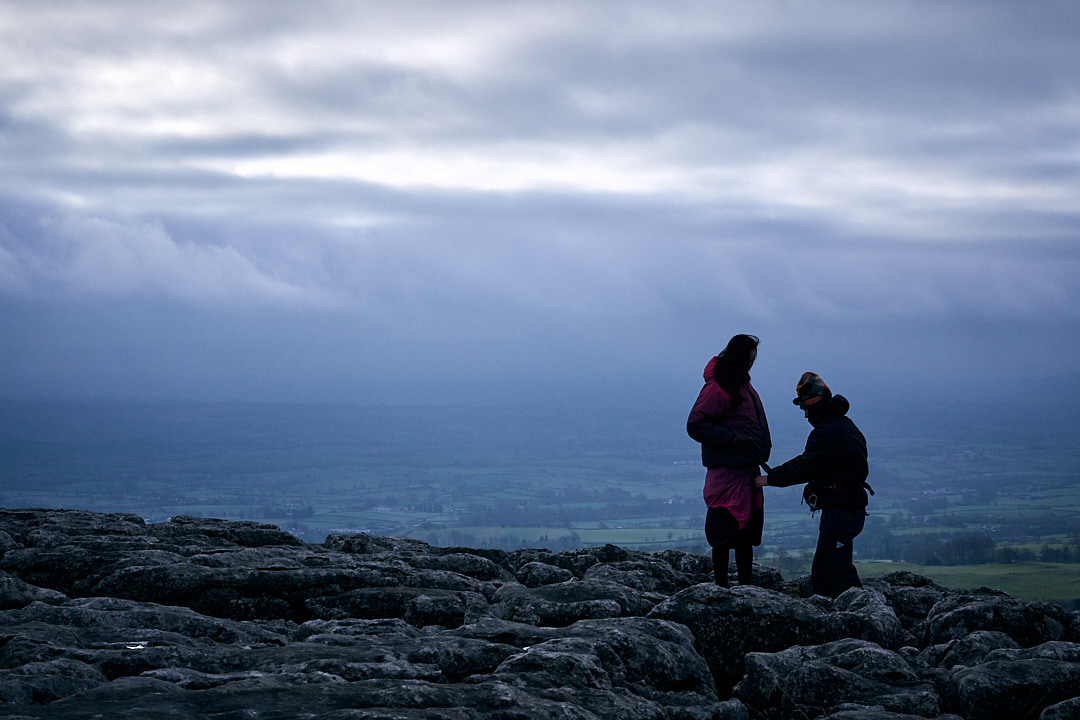
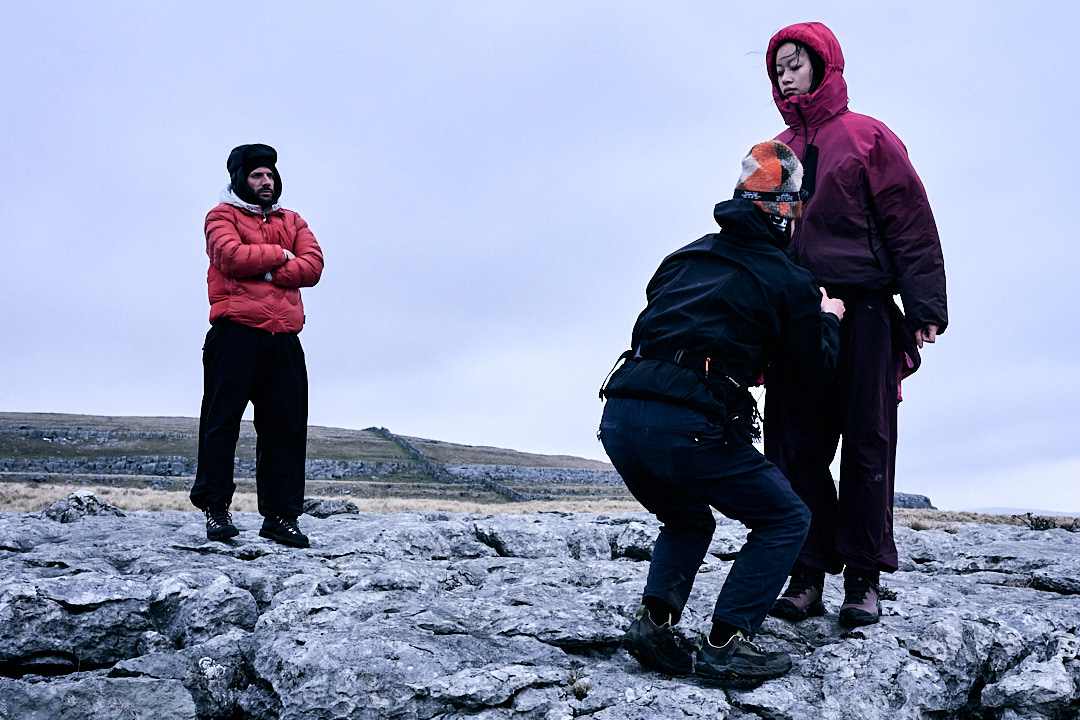
PMO is known for its technical approach to design — can you talk us through the materials and construction methods that set your pieces apart?
At PMO, our foundation is built on a deep technical understanding of performance apparel, and that starts with our uncompromising approach to materials and construction. We work exclusively with certified specialists and manufacturing partners who share our obsession with function and precision. These aren’t generic factories producing for the masses, they’re trusted collaborators who help us bring high-performance concepts to life.
What sets our pieces apart is that we begin with textiles that are already field-proven, fabrics with real-world credibility, often used in outdoor applications. From there, we reinterpret them through a fashion-forward lens. It’s never tech for tech’s sake; every detail serves a purpose, and every stitch is intentional.
Construction wise, we’re selective about where to push boundaries. Sometimes that means using seam techniques typically reserved for technical gear; other times, it’s about stripping things back to let the material speak. Either way, it’s always performance first, but finished with a cut and aesthetic that works far beyond the mountain.
For example, we’ve recently been working with Polartec Alpha — an active insulation originally developed for the U.S. military. We’ve reimagined it into pullover fleeces that function seamlessly on a trail run or in the city. It’s that intersection where advanced materials meet versatile, everyday design that defines PMO.
What’s your process for testing durability and performance? Do you draw from outdoor gear testing, or more from fashion R&D?
Both. We’ll run fabrics through lab tests; hydrostatic head, breathability, abrasion, but that’s just the baseline. The real proof comes from wearing it: hikes, city commutes. We use the gear ourselves, then feed those experiences straight back into design.
You’ll usually find one of us wearing next year’s piece.
How do you balance technical innovation with keeping products wearable for everyday use?
We design from the user’s perspective. Technical details only matter if they improve daily life, like heavy weather or just walking to work. So we work on the silhouettes, strip away anything unnecessary, and make sure function and form feels correct.
Is sustainability part of your design considerations, particularly when sourcing technical fabrics?
Absolutely. Technical fabrics can be tricky, but we work with mills that are moving fast on recycled membranes and PFC-free treatments. We aim for longevity: pieces built to last for years, not seasons. That’s the most responsible starting point. We’re never going to be able to get it perfect, but as a brand with only a few years under our belt we are starting on the right foot.
What’s one detail in your garments that most people might overlook but you’re especially proud of?
Our seam work. Whether it’s a hidden magnetic zip welt or the way we flat-lock a panel to reduce bulk, those small construction decisions make the difference. Most people will never notice, but they’ll feel it every time they wear the piece.
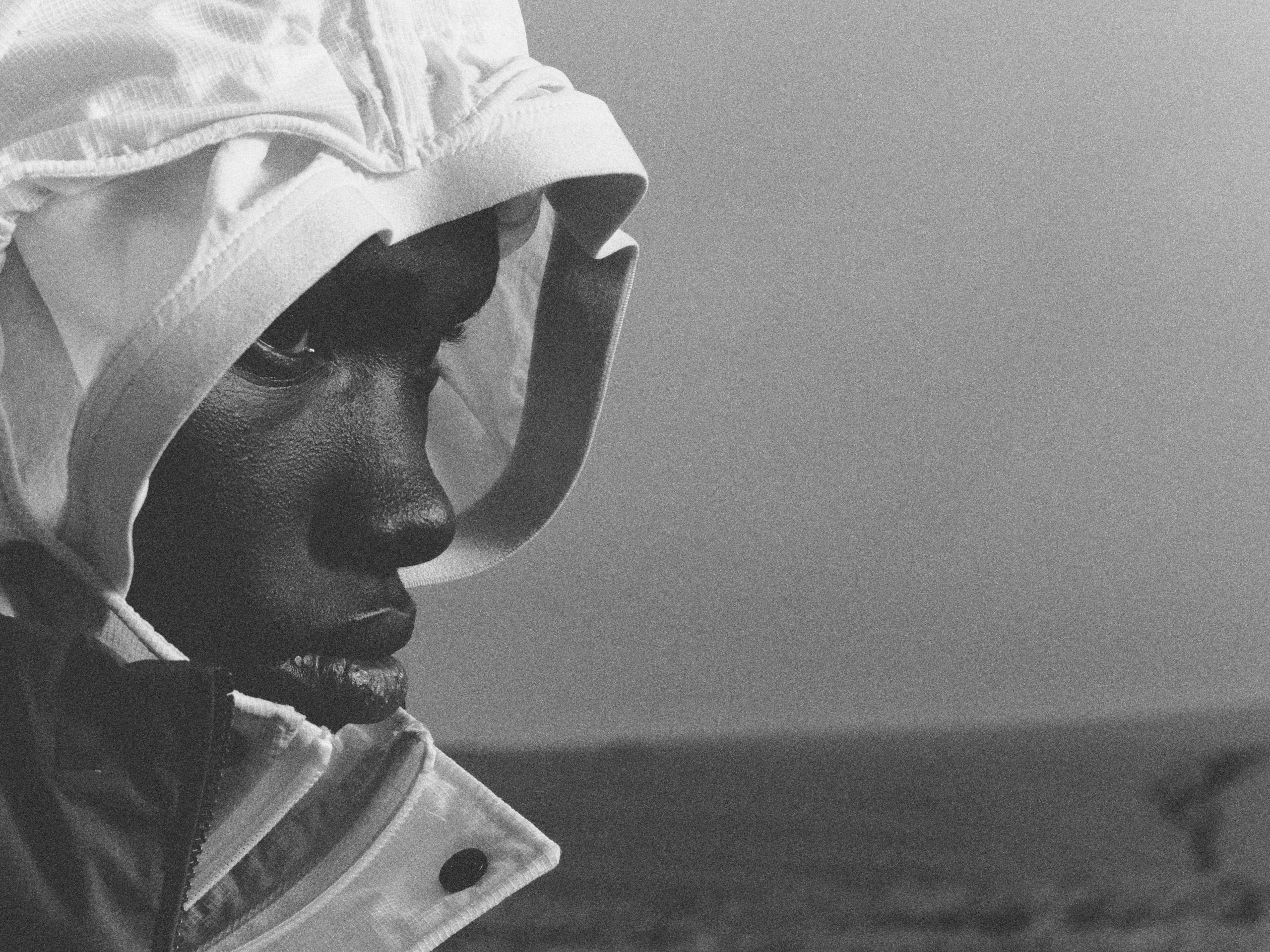
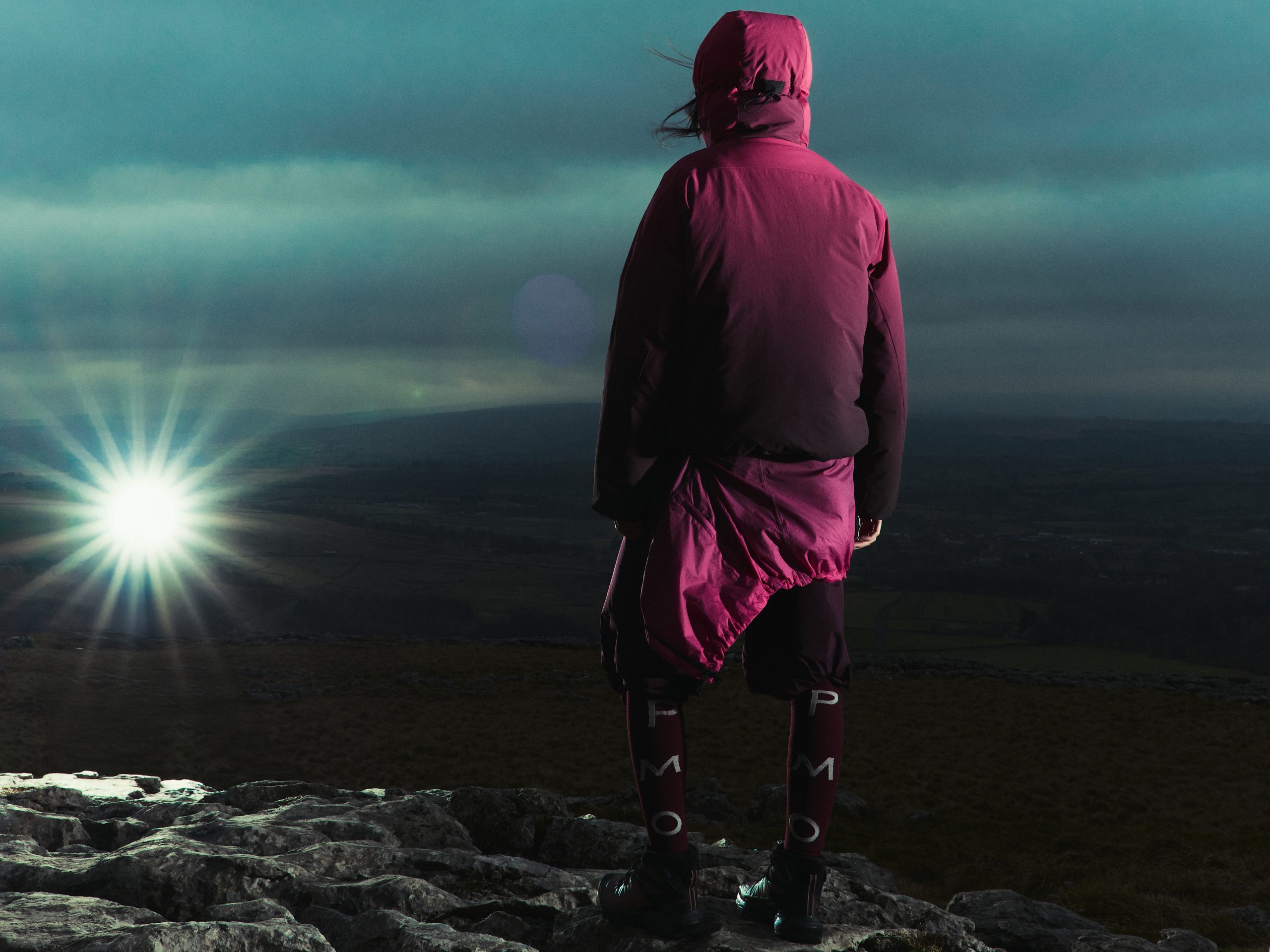
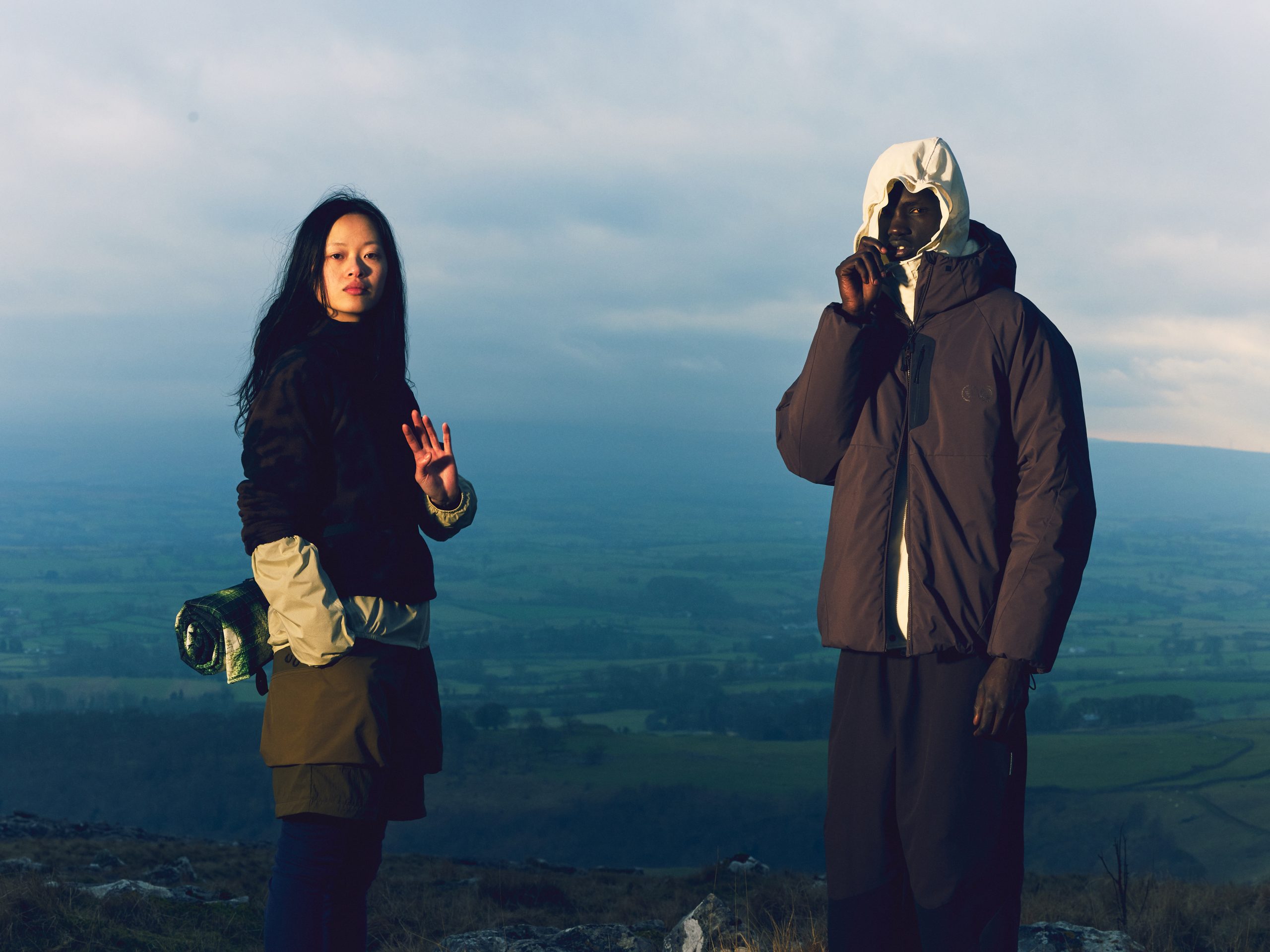
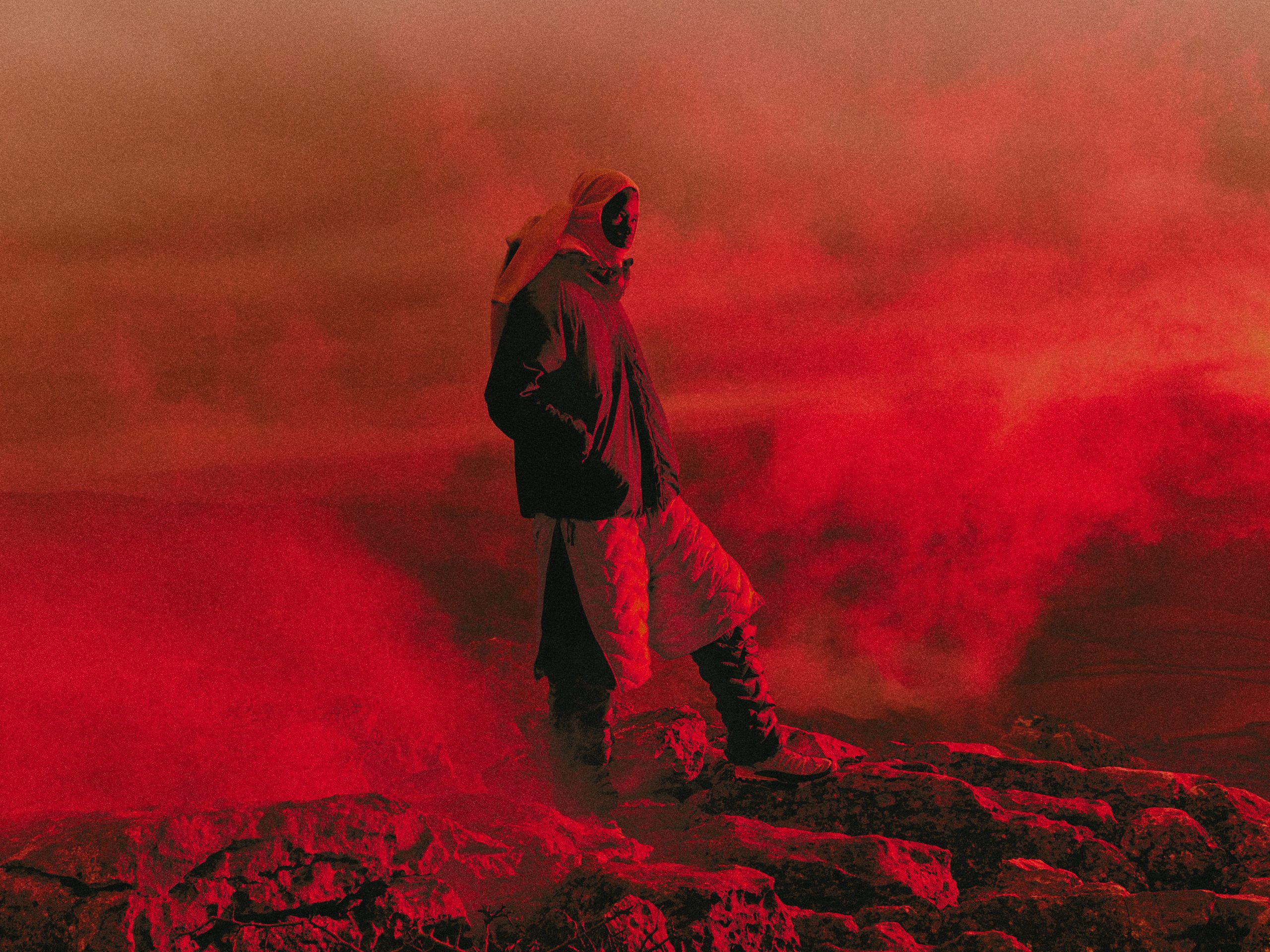
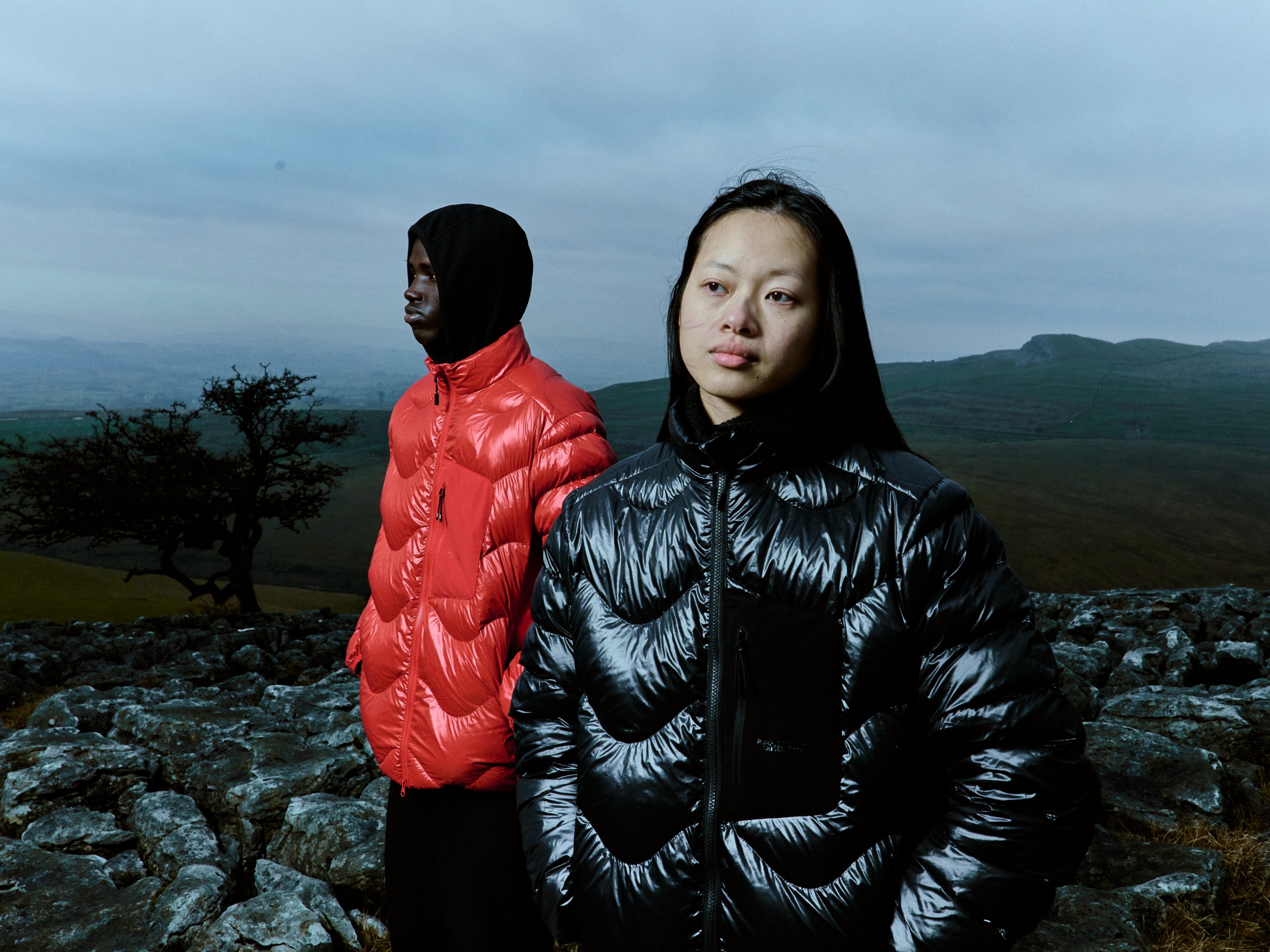
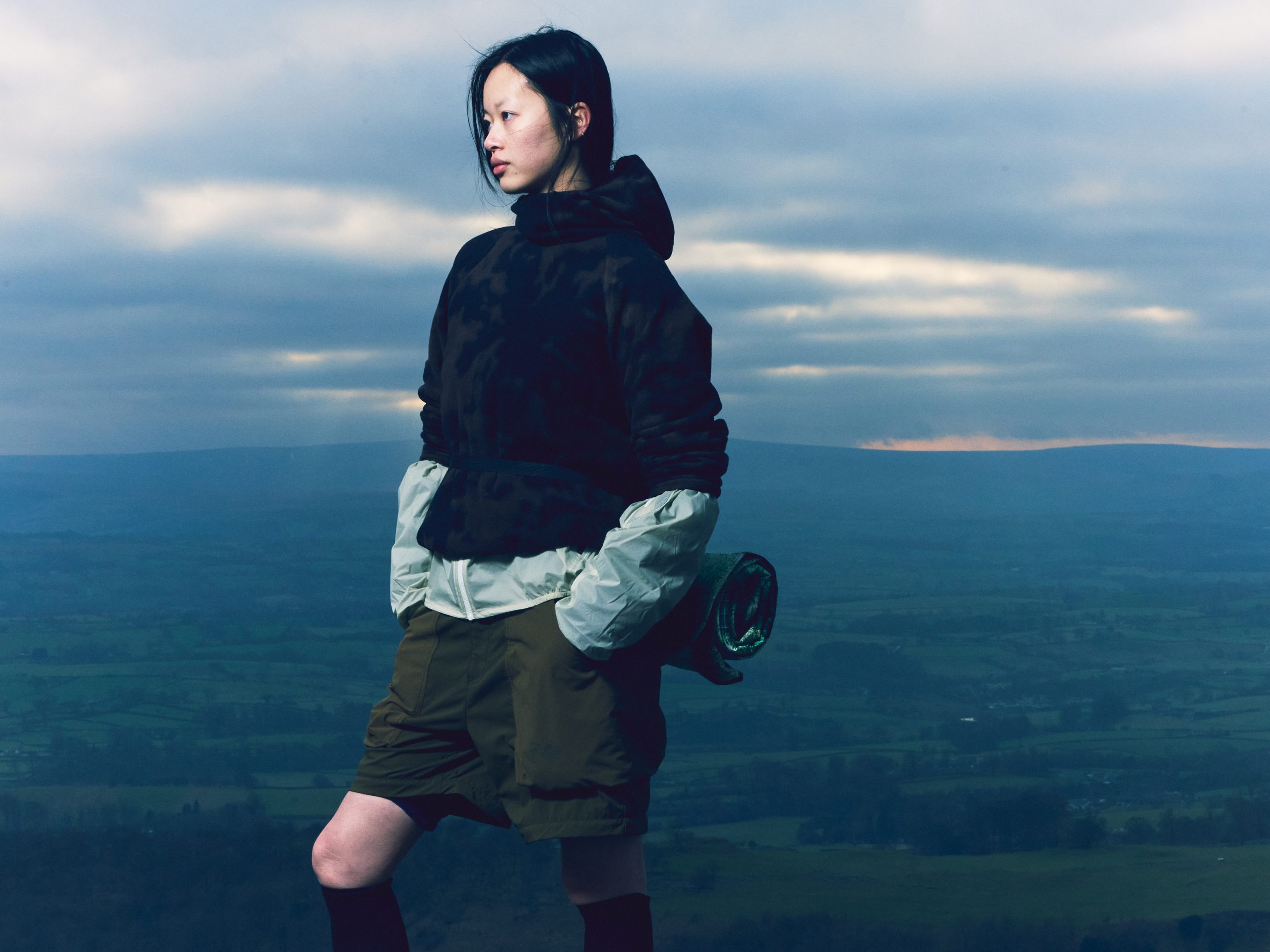
You’ve often done IRL activations – such as camps or hikes – in the outdoors to promote your brand & cement your community ties – why is that so important for you to do (quite literal) activations with PMO?
For us, real world activations aren’t just marketing, they’re core to who we are. PMO was never meant to live solely on a screen or a rack. Our gear is designed to perform out there, in real environments, and it only makes sense to build our community in those same spaces.
Hosting camps, hikes, and IRL experiences allows us to connect with people in a way that’s both natural and meaningful. It’s about creating shared moments, not just selling a product, but inviting people into the mindset and lifestyle behind it. You learn a lot about someone when you’re hiking side by side or standing around a fire at 1am. That kind of connection goes deeper than any algorithm.
The UK has a unique relationship with outdoor culture — from hiking in the Lakes to football terraces. How does PMO tap into this?
We’re very aware of UK culture and everything going on, from football, and music to just going out with friends. At the heart of PMO, we’re an outdoors performance brand, but we’re inherently British so these subcultures will always naturally align with our community.
We are just normal people, making really good gear!
Do you see yourselves more in the technical “gorpcore” lane, or as a bridge between outdoor functionality and streetwear?
We sit in the bridge. “Gorpcore” is a moment; we’re building something longer lasting, something rooted in real functionality, not just aesthetics. Our focus has always been on performance first design, but with a form and finish that moves effortlessly through urban environments.
We’re not chasing trends — we’re building a system of gear that works in the outdoors and in everyday life. That balance between technical credibility and cultural relevance is where PMO lives. It’s not about being outdoorsy or street it’s about being real, versatile, and built to last.
How does the British landscape — weather, geography, even subcultures — shape the way you think about design?
Growing up in the UK you’re used to weather that can turn on you in minutes, I remember it being Summer time and we’d get pelted on by horizontal rain, and in Winter, damp cold, wind that cuts through everything. You need clothes that can handle that without feeling like mountaineering kit. I was brought up with my old man always stating “there’s no such thing as bad weather, just bad clothing”
British subcultures feed into that too, football terraces, rave culture, even the old East London street style I grew up around. There’s a long history of making functional gear part of everyday fashion. PMO sits right in that space: hardcore fabrics and weatherproof construction, but with silhouettes and detailing that feel at home.
You’ve worked with some brilliant UK creatives in the UK outdoor/technical space – how have they shaped PMO as a brand and made it feel different to the average outerwear label?
They each bring their own disciplines, photography, music, design, and that cross-pollination stops us becoming a pure clothing brand. It keeps the story open and human.
Every project might look completely different, different photographers, different mediums, but there’s a single thread that ties it all back to PMO, a rope that holds the whole narrative together.
Do you feel the UK outdoor scene is catching up with global markets like Japan or the US, or carving out its own identity?
I remember growing up and travelling, it was nearly impossible to find Japanese or South Korean outdoor brands in the UK. Same with the U.S. you’d go out there to hunt for vintage pieces you just couldn’t get at home. Now, with global e-comm and social, everything’s accessible and that’s created a blend of styles across markets.
But even with that global crossover, I still think each scene is holding onto its own identity. The UK has always been a nation of outerwear obsessives, from terrace culture to hillwalking, we’ve got a long history with technical gear. You can see that influence go both ways now: we’re taking cues from Japan or the States, but they’re just as often drawing from our own culture.
The UK outdoor scene is evolving, but it’s not playing catch-up. It’s carving out its own space, with a mix of authenticity, attitude, and weather hardened practicality that feels distinctly British.
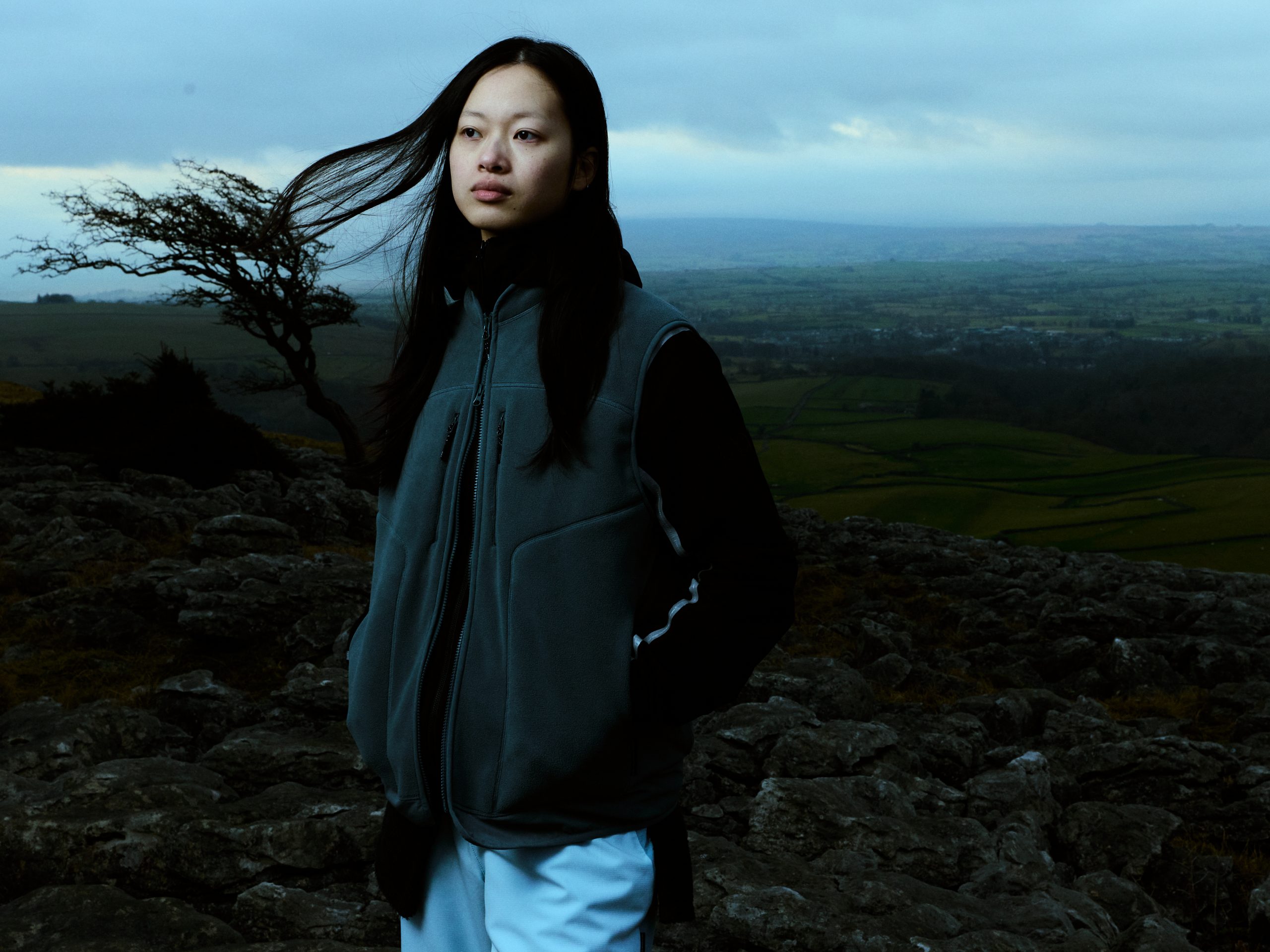
How do you avoid being part of a trend and instead build something with longevity?
By focusing on what we set out to do; make good gear and tell good stories. If we stick to our basics and get that right, we can only be in it for the long run.
Where do you want PMO to sit within the broader conversation around outdoor and technical brands?
Our aim is to become a staple within the outdoors world, but also as something new, a connector. We want to create something that is highly functional but also resonates with culture and the audience.
What innovations or directions are you most excited to explore in the next few seasons?
Right now we’re working closely with a handful of fabric mills to develop materials that push performance and storytelling further, everything from ultra-light 3-layer shells and bio-based coatings to experimental touches like glow-in-the-dark fabrics. At the same time we’re continuing to work with some of the most established, well-respected textile innovators, the names people already trust in technical outerwear.
For me, the next step is proving that PMO sits shoulder-to-shoulder with the best in the field. The only real way to show that is by getting people out there in the gear; letting them experience those fabrics in the wild and see how they perform when the weather really tests them. Maybe they don’t need to go too far afield for that…
How do you see PMO contributing to both the fashion and outdoor communities in the UK going forward?
By continuing to create spaces, both physical and digital, where those worlds meet. Whether that’s a hike, a workshop or a collection, we want PMO to be a platform that inspires people to step outside.